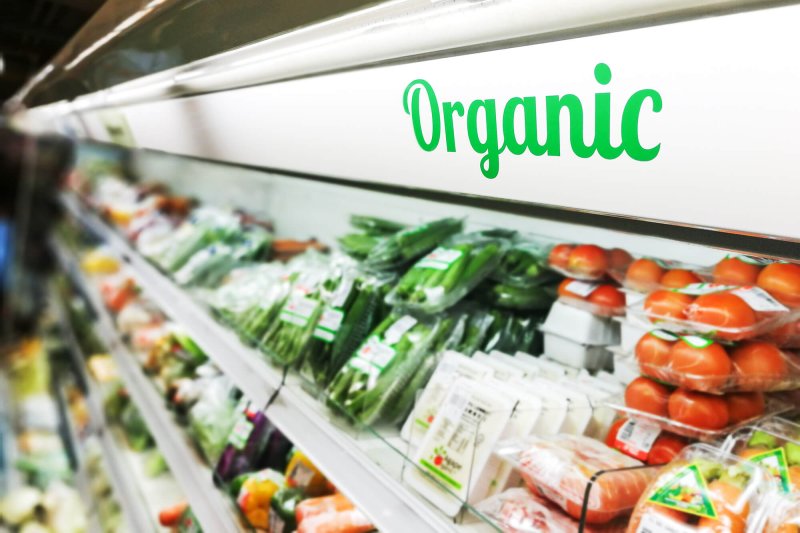
“Organic” has become a buzzword, and these products are marketed as a healthier alternative to conventional options. An important question to ask is this: Is the “healthy” label just marketing hype to woo customers into purchasing products?
It seems that the health benefits that we perceive with the organic label may be all in our heads. After all, many of our food-related decisions are based on emotions rather than reason.
For example, in 2011, Jenny Wan-Chen Lee and colleagues conducted a study where they labeled cookies, potato chips and yogurt samples as organic or non-organic, although they were identical and organically produced. Participants estimated organic-labeled samples to be lower in calories, lower in fat and higher in fiber, and worth the higher cost than foods without the organic label.
In terms of nutritional value, scientific studies agree that while there are some compositional differences between organic and conventionally grown foods, it is unclear whether there is a positive impact on health with organic food intake.

Organic produce may reduce the risk of allergic diseases and obesity, but the evidence is inconclusive as organic food consumers tend to have healthier lifestyles.