How the brain puts the brakes on overeating

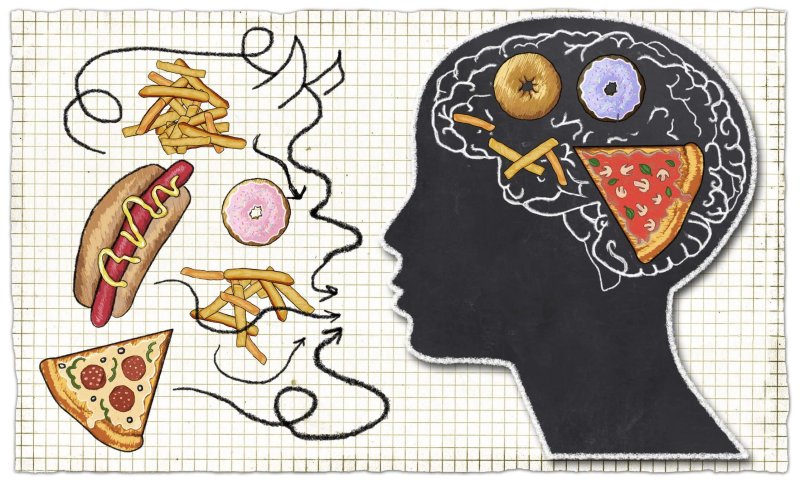
Credit: Meal Revolution

People with a rare genetic disorder known as Prader-Willi syndrome never feel full, and this insatiable hunger can lead to life-threatening obesity. Scientists studying the problem have now found that the fist-shaped structure known as the cerebellum—which had not previously been linked to hunger—is key to regulating satiation in those with this condition.

This finding is the latest in a series of discoveries revealing that the cerebellum, long thought to be primarily involved in motor coordination, also plays a broad role in cognition, emotion and behavior.

“We’ve opened up a whole field of cerebellar control of food intake,” says Albert Chen, a neuroscientist at the Scintillon Institute in California.

Follow the latest news and policy debates on sustainable agriculture, biomedicine, and other ‘disruptive’ innovations. Subscribe to our newsletter.

For years neuroscientists studying appetite focused mainly either on the hypothalamus, a brain area involved in regulating energy balance, or on reward-processing centers such as the nucleus accumbens.

But this group has identified a novel feeding center in the brain, says Elanor Hinton, a neuroscientist at the University of Bristol in England who was not involved with the study.

“I’ve been working in appetite research for the past 15 years or so, and the cerebellum has just not been a target,” Hinton says. “I think this is going to be important both for Prader-Willi syndrome and, much more widely, to address obesity in the general population.”


This is an excerpt. Read the original post here. 

{{ reviewsTotal }}{{ options.labels.singularReviewCountLabel }}
{{ reviewsTotal }}{{ options.labels.pluralReviewCountLabel }}
{{ options.labels.newReviewButton }}
{{ userData.canReview.message }}

Related Articles

Infographic: Global regulatory and health research agencies on whether glyphosate causes cancer

Infographic: Global regulatory and health research agencies on whether glyphosate causes cancer

Does glyphosate—the world's most heavily-used herbicide—pose serious harm to humans? Is it carcinogenic? Those issues are of both legal and ...

Most Popular

Screenshot-2026-05-01-at-1.29.41-PM
Viewpoint: What happens when whole grains meet modern food manufacturing? Labels don’t tell the whole story.
S
As vaccine rejectionism spreads, measles may be taking a more dangerous turn
Screenshot 2026-05-06 at 2.56
Singularity crisis ahead? Can super babies save us from rogue AI geniuses?
Screenshot-2026-03-13-at-12.14.04-PM
The FDA wants to make many popular prescription drugs OTC—a great idea. Here’s why it’s unlikely to happen
Screenshot-2026-05-06-at-2.07.43-PM
Manufacturing a conspiracy: The timeline of how  the White House embraced the fringe claim that scientists are being mysteriously murdered
Screenshot-2026-04-30-at-2.19.37-PM
5 myths about summer dehydration that could damage your health — or even kill you
Screenshot-2026-05-01-at-11.56.24-AM
‘Science moves forward when people are willing to think differently’: Memories of DNA maverick Craig Venter
Screenshot-2026-04-20-at-2.26.27-PM
Viewpoint — Food-fear world: The latest activist scientists campaign: Cancer-causing additives
Screenshot-2026-04-03-at-11.15.51-AM
Paraben panic: How a flawed study, media hype, and chemophobia convinced the public of the danger of one of the safest classes of preservatives
images
The never-ending GMO debate: Pros and cons
ChatGPT-Image-May-6-2026-03_41_05-PM
‘Protecting the integrity of science’: Kennedy’s FDA blocks release of taxpayer-funded studies finding COVID and shingles vaccines safe
glp menu logo outlined

Get news on human & agricultural genetics and biotechnology delivered to your inbox.