Ghana closer to commercializing disease-resistant GMO cowpeas

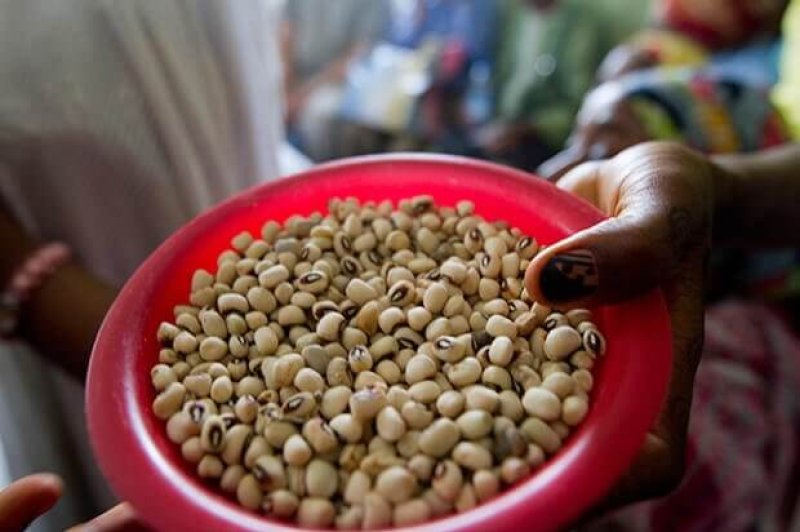
Credit: Bill & Melinda Gates Foundation/Akintunde Akinleye

The Council for Scientific and Industrial Research (CSIR) has submitted an application to the National Biosafety Authority (NBA) requesting for permission to release Ghana’s first GMO crop (PRB cowpea) into the environment.

Follow the latest news and policy debates on sustainable agriculture, biomedicine, and other ‘disruptive’ innovations. Subscribe to our newsletter.

“Key aspects considered in the food safety assessment include but not limited to nutritional composition and potential toxicity and allergenicity. The environmental evaluation of PBR cowpea looks at its potential to become a weed of agriculture or invasive of natural habitats, potential impact of pollen mediated gene transfer, altered plant pest potential impacts on no-target organisms and biodiversity,” the gazette notification said.

Cowpea, popularly called beans is a popular, protein-rich staple crop that is used for gari and beans, popularly called “red-red”.

The crop is vulnerable to the Maruca pod borer pests, which can destroy 80 percent of a farmer’s crop. To control the pest, farmers typically spray their fields with pesticides between eight and 12 times in the 12-week life cycle of the crop.

The GM variety, which includes a gene from a naturally occurring soil bacterium known as Bt, is resistant to the pest. Confined field trials have shown farmers can reduce their spray regimen to just twice per season while gaining a five-fold increase in yield.

This is an excerpt. Read the original post here.

{{ reviewsTotal }}{{ options.labels.singularReviewCountLabel }}
{{ reviewsTotal }}{{ options.labels.pluralReviewCountLabel }}
{{ options.labels.newReviewButton }}
{{ userData.canReview.message }}

Related Articles

Infographic: Global regulatory and health research agencies on whether glyphosate causes cancer

Infographic: Global regulatory and health research agencies on whether glyphosate causes cancer

Does glyphosate—the world's most heavily-used herbicide—pose serious harm to humans? Is it carcinogenic? Those issues are of both legal and ...

Most Popular

Picture1
The FDA couldn’t find a vaccine safety crisis, so it buried its own research
Screenshot-2026-04-22-at-12.21.32-PM
Viewpoint: Why the retracted Monsanto glyphosate study doesn’t change the science—the world’s most popular herbicide is safe 
ChatGPT-Image-May-7-2026-12_32_36-PM
Viewpoint: The state of U.S. vaccine policy? Dismal nationally, but some states are stepping up.
_20250221_nib_rfk_trump
Viewpoint: 'Crisis of public trust': Autism support community shocked RFK continues to peddle false claims about the danger of vaccines
Screenshot-2026-05-19-at-11.23.34-AM
West-originated vaccine disinformation sparks murders of health care workers across Africa
placebo
Viewpoint — Alternative medicine and the placebo effect: Selling a reassuring illusion of health
ChatGPT-Image-May-18-2026-01_45_05-PM-2
Newest hantavirus conspiracy: Online disinformation turns outbreak into latest ivermectin grift
ChatGPT-Image-May-18-2026-12_06_18-PM-2
Defying death: The immortality movement goes mainstream
Screenshot-2026-04-13-at-1.39.26-PM
Viewpoint: ‘Safer for children?’ Stonyfield yogurt under fire for deceptive organic marketing
Defense_Secretary_Ash_Carter_tours_the_Microsoft_Cybercrime_Center_in_Seattle_March_3_2016
How criminals are using AI to target social media users and steal their money and confidential data
glp menu logo outlined

Get news on human & agricultural genetics and biotechnology delivered to your inbox.