Viewpoint: Food activists lobbied for an organic-only, no synthetic pesticide model in Sri Lanka. Here’s why it went so catastrophically wrong

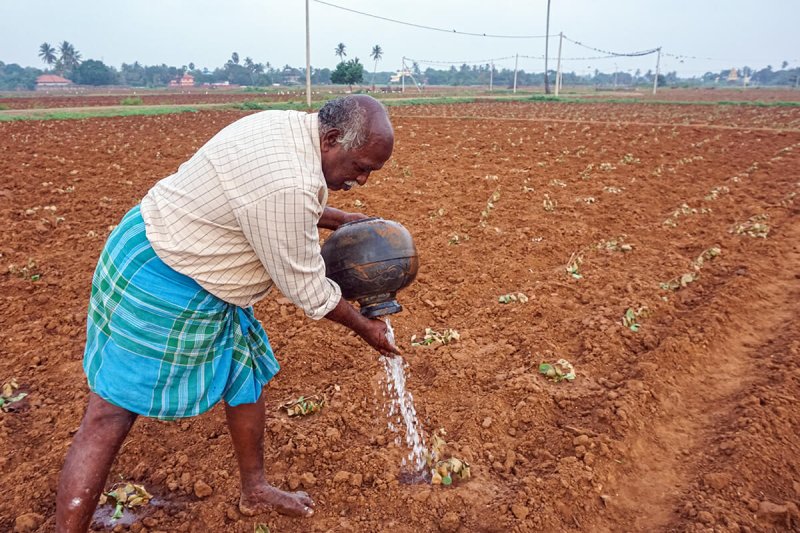
Sri Lankan farmer waters his crops. Credit: Vijayatharsiny Thinesh

Sri Lankan President Gotabaya Rajapaksa promised in his 2019 election campaign to transition the country’s farmers to organic agriculture over a period of 10 years.

Mis- and disinformation are distorting science and public policy. Subscribe to our Daily and Weekly Digests for incisive coverage of ‘disruptive’ innovations in AI, agricultural biotechnology, food, chemicals, nuclear energy, vaccines, and other disruptive innovations.

The result was brutal and swift. Against claims that organic methods can produce comparable yields to conventional farming, domestic rice production fell 20 percent in just the first six months.

Sri Lanka, long self-sufficient in rice production, has been forced to import $450 million worth of rice even as domestic prices for this staple of the national diet surged by around 50 percent. The ban also devastated the nation’s tea crop, its primary export and source of foreign exchange.

…

As Sri Lankan crop yields have plummeted, exactly as most mainstream agricultural experts predicted they would, the fertilizer ban’s leading advocates have gone silent.

Vandana Shiva, an Indian activist and ostensible face of anti-modern agrarianism in the global south, was a booster of the ban but turned mute as the ban’s cruel consequences became clear.

Food Tank, an advocacy group funded by the Rockefeller Foundation that promotes a phase-out of chemical fertilizers and subsidies in Sri Lanka, has had nothing to say now that its favored policies have taken a disastrous turn.


This is an excerpt. Read the original post here.

Related Articles

Infographic: Global regulatory and health research agencies on whether glyphosate causes cancer

Infographic: Global regulatory and health research agencies on whether glyphosate causes cancer

Does glyphosate—the world's most heavily-used herbicide—pose serious harm to humans? Is it carcinogenic? Those issues are of both legal and ...

Most Popular

Neon Syringe Portrait with BPC-157
Viewpoint: Peptides and medical freedom: The MAHA obsession that can damage your health
ChatGPT-Image-Mar-10-2026-01_39_01-PM
Viewpoint—“Miracle molecule” debunked: Why acemannan supplements don’t work
Screenshot 2026-07-29 at 10.40
The COVID vaccine turbo cancer scare is back. Science still proves it’s wrong.
Screenshot 2026-10-28 at 10.11
We're likely over-consuming the world's most profitable nutrient – and it’s wrecking our waistlines.
Screenshot 2026-10-27 at 10.32
“Do your own research”: What Medicare’s annual open enrollment circus teaches us about the seductive trap of DIY health and science
Screenshot 2026-10-20 at 1.37
Race against food rot: How AI and gene editing could slash fruit and vegetable waste
Screenshot-2026-10-29-at-10.31.49-AM
Solar engineering to cool the planet might well work. Could it touch off a geoengineering arms race?
Strawberry Clamshell with Warning Sticker
Viewpoint: Activists hype ‘dangerous level’ of pesticide residues in Driscoll berries: Separating health concerns from fear-mongering
glp menu logo outlined

Get news on human & agricultural genetics and biotechnology delivered to your inbox.