When will the pandemic be over? Not when the CDC or WHO decides

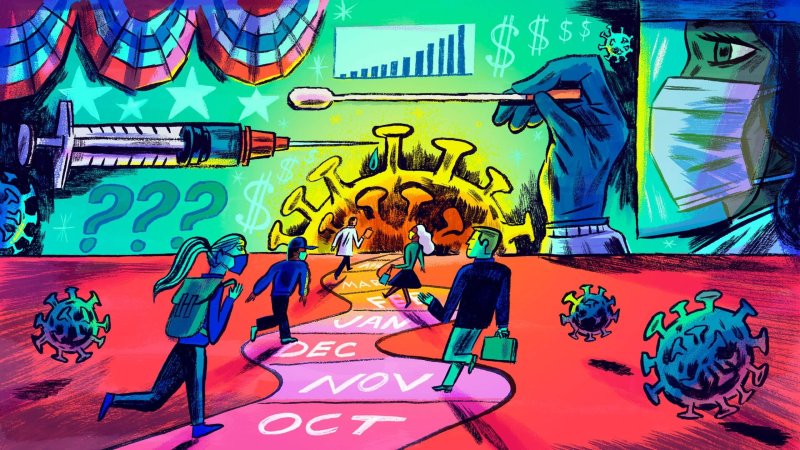
Credit: Mike Reddy/STAT

All pandemics end eventually. But how, exactly, will we know when the COVID-19 pandemic is really “over”? It turns out the answer to that question may lie more in sociology than epidemiology.

Follow the latest news and policy debates on sustainable agriculture, biomedicine, and other ‘disruptive’ innovations. Subscribe to our newsletter.

As the world passes the second anniversary of the World Health Organization’s declaration of the COVID pandemic, things seem to be at a turning point. COVID cases and deaths are seeing sustained declines in much of the world, and a large percentage of people are estimated to have some immunity to SARS-CoV-2, the virus that causes the disease, through infection or vaccination. The Centers for Disease Control and Prevention has released new risk metrics that suggest people in many parts of the U.S. no longer need to wear a mask, and mayors, governors and other officials have been dropping mask and vaccine mandates in a push to get back to normal. Although the COVID-causing virus, SARS-CoV-2, is likely to always circulate at some level, there is a growing belief among some people—though not all—that the pandemic’s acute phase may be subsiding.

“I believe that pandemics end partially because humans declare them at an end,” says Marion Dorsey, an associate professor of history at the University of New Hampshire.


This is an excerpt. Read the original post here. 

{{ reviewsTotal }}{{ options.labels.singularReviewCountLabel }}
{{ reviewsTotal }}{{ options.labels.pluralReviewCountLabel }}
{{ options.labels.newReviewButton }}
{{ userData.canReview.message }}

Related Articles

Infographic: Global regulatory and health research agencies on whether glyphosate causes cancer

Infographic: Global regulatory and health research agencies on whether glyphosate causes cancer

Does glyphosate—the world's most heavily-used herbicide—pose serious harm to humans? Is it carcinogenic? Those issues are of both legal and ...

Most Popular

Screenshot-2026-04-22-at-12.21.32-PM
Viewpoint: Why the retracted Monsanto glyphosate study doesn’t change the science—the world’s most popular herbicide is safe 
Picture1
The FDA couldn’t find a vaccine safety crisis, so it buried its own research
ChatGPT-Image-May-1-2026-11_42_59-AM-2
Viewpoint: NAD is the wellness grifters latest evidence-lite longevity fad. At least the mice are impressed.
ChatGPT-Image-Apr-16-2026-02_56_53-PM
Financial incentives, over diagnosis, and weak oversight: Autism claims are driving up Medicare costs
global warming
‘Implausible’: Top climate scientists reject worst-case scenario—soaring temperatures and fast-rising sea levels
ChatGPT-Image-May-12-2026-11_27_01-AM-2
AI likely to improve health care, research shows—but not for blacks and ethnic minorities
ChatGPT-Image-May-7-2026-01_23_27-PM-2
Viewpoint: Will AI democratize personalized cancer treatment or fuel medical misinformation?
vax-misinformation-main
Facts & Fallacies Podcast: Limit free speech to blunt social media misinfo?

Sorry. No data so far.

glp menu logo outlined

Get news on human & agricultural genetics and biotechnology delivered to your inbox.