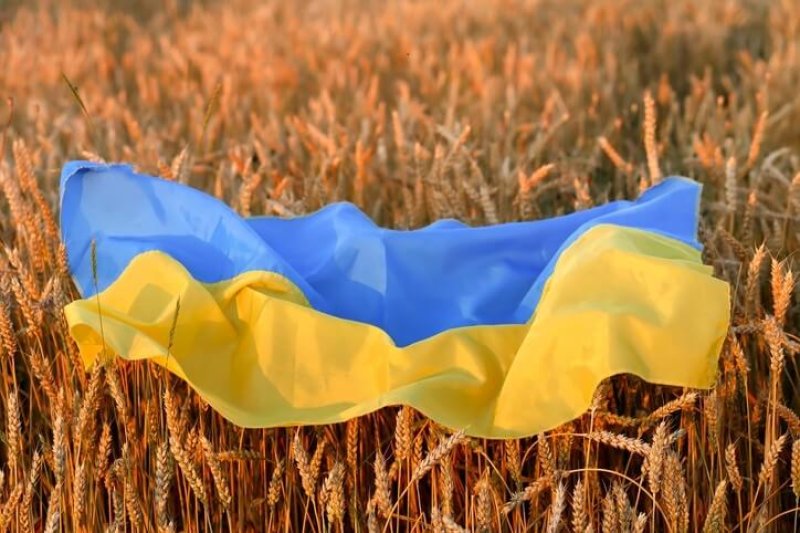
Russian invasion of Ukraine throws cloud over European Union’s Green Deal Farm to Fork plans

Credit: Anna Koberska/Getty Images

The European Commission’s “Farm to Fork” strategy seeks to reduce pesticides by 50 percent, devote 25 percent of agricultural land use to organic farming, and reduce fertilizers by 20 percent.

Farming representatives have heavily criticized these plans, as they would tighten food supplies and increase dependence on imports.

With sanctions on Russia severely disrupting the international food trade in fertilizers, can Europe afford plans to reduce agricultural output? Banking on organic food, which is notoriously under-productive, is unlikely to guarantee European food security.

Follow the latest news and policy debates on sustainable agriculture, biomedicine, and other ‘disruptive’ innovations. Subscribe to our newsletter.

Adding to that, the situation of food security and food commodity prices deteriorates significantly under a worldwide adoption scenario, as USDA researchers have found. The outlook of agricultural prices soars between 20 and 53 percent due to the package. The legislation should entice none of the lawmakers in Brussels—and it appears that now it could be killed altogether.

Europe’s green ambitions have met the harsh realities of geopolitics and the feasibilities of their environmentalist ideologies…. This should serve as a wake-up call for those in the United States, who for years have applauded the European decarbonization and agricultural policy model as an example to follow for Washington.


This is an excerpt. Read the original post here.

{{ reviewsTotal }}{{ options.labels.singularReviewCountLabel }}
{{ reviewsTotal }}{{ options.labels.pluralReviewCountLabel }}
{{ options.labels.newReviewButton }}
{{ userData.canReview.message }}

Related Articles

Infographic: Global regulatory and health research agencies on whether glyphosate causes cancer

Infographic: Global regulatory and health research agencies on whether glyphosate causes cancer

Does glyphosate—the world's most heavily-used herbicide—pose serious harm to humans? Is it carcinogenic? Those issues are of both legal and ...

Most Popular

ChatGPT-Image-May-7-2026-12_16_37-PM-2
Viewpoint: Are cancer rates ‘skyrocketing’ as RFK, Jr. and MAHA claims? The evidence says mostly the opposite
Screenshot-2026-04-22-at-10.46.29-AM
Viewpoint: How to counter science disinformation? Science journalist offers 12 practical tips
Screenshot-2026-04-13-at-1.39.26-PM
Viewpoint: ‘Safer for children?’ Stonyfield yogurt under fire for deceptive organic marketing
Picture1-14
When superbugs threaten vulnerable children: Can AI help solve antibiotic resistance?
ChatGPT-Image-May-12-2026-08_39_41-PM
GLP podcast: Big Pharma, Big Ag, Big Food—health harming industries or life-saving innovators?
bigstock opioids on chalkboard with rol
GLP podcast: 'Safe injection sites': enabling drug addiction or saving lives?
Screenshot-2026-04-23-at-11.00.36-AM
Regulators' dilemma: Thalidomide, Metformin, and the cost of getting drug approvals wrong
Picture1-1
Cooling the planet with balloons: Could a geoengineering gamble slow global warming?

Sorry. No data so far.

glp menu logo outlined

Get news on human & agricultural genetics and biotechnology delivered to your inbox.