‘Meat the Future’: Jane Goodall-narrated documentary explores future of cell-grown ‘clean meat’

Credit: CBC
Credit: CBC

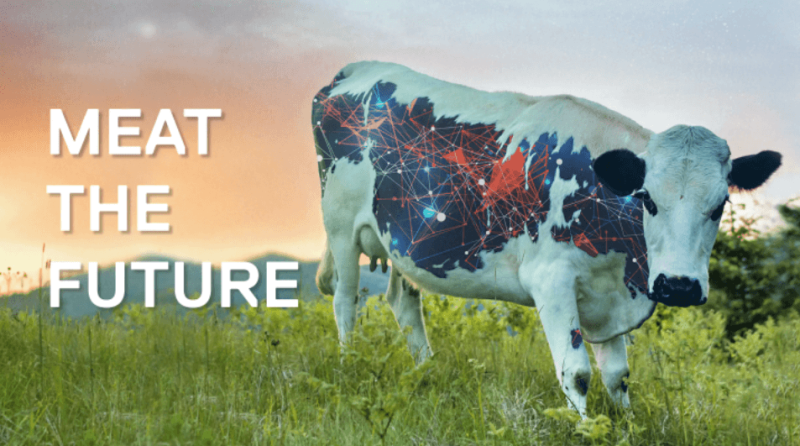
In Meat the Future, streaming on most major platforms starting this week, we meet a team of scientists led by cardiac surgeon and regenerative medicine researcher Dr. Uma Valeti, as they sally forth on the quest to produce cultivated meat—typically referred to as “lab-grown,” “in vitro,” or “cell-cultured” meat—at an affordable cost.

The 90-minute film, written and directed by Liz Marshall and narrated by none other than Dr. Jane Goodall, documents the hurdles scientists encounter in producing and introducing the world to meat made from animal cells in laboratories. V

iewers witness as Valeti and his team face serious backlash from leaders in the cattle industry and the FDA itself for their attempts to revolutionize the way humans consume meat.

Follow the latest news and policy debates on sustainable agriculture, biomedicine, and other ‘disruptive’ innovations. Subscribe to our newsletter.

Despite its science-heavy content, Meat the Future contains enough big ideas to sate viewers who aren’t necessarily steeped in animal or cell biology.

It presents an alternative way of living—a way that doesn’t involve the killing of more than 100 million animals per year, a way of living that paves the way for an animal-free future where we still get to eat meat.

This compelling film, in our opinion, has the potential to change the way Americans think about, consume, and make meat for years to come.


This is an excerpt. Read the original post here

{{ reviewsTotal }}{{ options.labels.singularReviewCountLabel }}
{{ reviewsTotal }}{{ options.labels.pluralReviewCountLabel }}
{{ options.labels.newReviewButton }}
{{ userData.canReview.message }}

Related Articles

Infographic: Global regulatory and health research agencies on whether glyphosate causes cancer

Infographic: Global regulatory and health research agencies on whether glyphosate causes cancer

Does glyphosate—the world's most heavily-used herbicide—pose serious harm to humans? Is it carcinogenic? Those issues are of both legal and ...

Most Popular

Screenshot-2026-03-13-at-12.14.04-PM
The FDA wants to make many popular prescription drugs OTC—a great idea. Here’s why it’s unlikely to happen
Screenshot-2026-05-04-at-12.54.32-PM
How Utah became the country’s supplement capital  — and a haven for unregulated, ineffective and fake products
Screenshot-2026-04-20-at-2.26.27-PM
Viewpoint — Food-fear world: The latest activist scientists campaign: Cancer-causing additives
Screenshot-PM-24
Viewpoint: The herbicide glyphosate isn’t perfect. Banning it would be far worse.
images
The never-ending GMO debate: Pros and cons
Screenshot-2026-05-01-at-11.56.24-AM
‘Science moves forward when people are willing to think differently’: Memories of DNA maverick Craig Venter
Screenshot-2026-04-30-at-2.19.37-PM
5 myths about summer dehydration that could damage your health — or even kill you
Screenshot-2026-04-03-at-11.15.51-AM
Paraben panic: How a flawed study, media hype, and chemophobia convinced the public of the danger of one of the safest classes of preservatives
79d03212-2508-45d0-b427-8e9743ff6432
Viewpoint: The Casey Means hustle—Wellness woo opportunism dressed up as medical wisdom
bigstock opioids on chalkboard with rol
GLP podcast: 'Safe injection sites': enabling drug addiction or saving lives?
ChatGPT-Image-May-1-2026-02_20_13-PM
How RFK, Jr.’s false vaccine claims are holding up $600 million to fight diseases in poor countries
glp menu logo outlined

Get news on human & agricultural genetics and biotechnology delivered to your inbox.