‘Honeybees are not endangered and are doing just fine’: Xerces Society says it’s time to end public confusion, refocus on native species

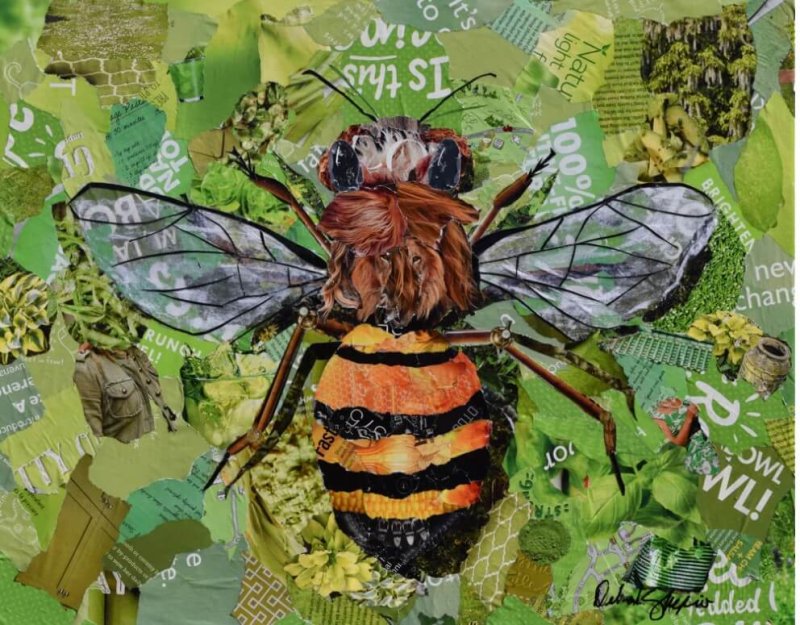
Credit: Deborah Shapiro

When Colony Collapse Disorder (CCD) occurred around 2006 and entire colonies of honeybees died, experts and the public alike were justifiably alarmed. The campaign to “save the honeybees” somehow got entangled in our minds with “save the pollinators” and “save the planet.”

It was a misunderstanding. Yes, beekeepers are still struggling, and healthy honeybees are important, especially for commercial agriculture. But honeybees are not endangered.

In fact, there are more honeybees on the planet now than there ever have been. And that, is because we manage them, says Scott Hoffman Black, executive director of the Xerces Society, an international nonprofit focused on invertebrate conservation.

Follow the latest news and policy debates on sustainable agriculture, biomedicine, and other ‘disruptive’ innovations. Subscribe to our newsletter.

Experts may not consider honeybees endangered, but plenty of native bees are. And this means the plants that depend on them for pollination are endangered as well, putting entire ecosystems at risk. Black points out that there are at least 3,600 species of wild bees in North America, and those animals are in serious decline, many of them in danger of extinction.

He adds that this has gotten confusing for people. Some heard about declines in honeybees and kept hives thinking they were helping to save the bees, but Black likens that to raising chickens to save birds.


This is an excerpt. Read the original post here

{{ reviewsTotal }}{{ options.labels.singularReviewCountLabel }}
{{ reviewsTotal }}{{ options.labels.pluralReviewCountLabel }}
{{ options.labels.newReviewButton }}
{{ userData.canReview.message }}

Related Articles

Infographic: Global regulatory and health research agencies on whether glyphosate causes cancer

Infographic: Global regulatory and health research agencies on whether glyphosate causes cancer

Does glyphosate—the world's most heavily-used herbicide—pose serious harm to humans? Is it carcinogenic? Those issues are of both legal and ...

Most Popular

Screenshot-2026-04-22-at-12.21.32-PM
Viewpoint: Why the retracted Monsanto glyphosate study doesn’t change the science—the world’s most popular herbicide is safe 
ChatGPT-Image-Apr-16-2026-02_56_53-PM
Financial incentives, over diagnosis, and weak oversight: Autism claims are driving up Medicare costs
Picture1
The FDA couldn’t find a vaccine safety crisis, so it buried its own research
global warming
‘Implausible’: Top climate scientists reject worst-case scenario—soaring temperatures and fast-rising sea levels
ChatGPT-Image-May-1-2026-11_42_59-AM-2
Viewpoint: NAD is the wellness grifters latest evidence-lite longevity fad. At least the mice are impressed.

Sorry. No data so far.

glp menu logo outlined

Get news on human & agricultural genetics and biotechnology delivered to your inbox.