Viewpoint: Why Rwanda and the rest of sub-Saharan Africa need to embrace genetically modified crops

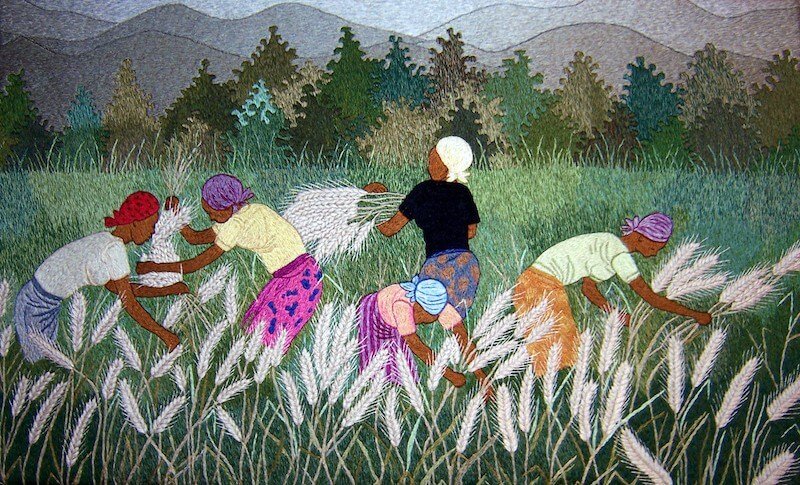
Crops receiving much research attention include beans, bananas, cassava and sweet potatoes, but Rwanda can offer much more. Credit: Savane Rutongo-Kabuye

According to the recent publication “Plant biotechnology: A key tool to improve crop production in Rwanda” published in African Journal of Biotechnology by Leonce Dusengemungu, Clement Igiraneza and Sonia Uwimbabazi, intensive and appealing discussions about agriculture economic importance, production of improved crops and the use of all necessary resources to ameliorate agricultural production need more attention.

Follow the latest news and policy debates on sustainable agriculture, biomedicine, and other ‘disruptive’ innovations. Subscribe to our newsletter.

The trio said that the use of biotechnology tools to protect seed distributed among farmers, biological control agents and testing varieties of seed identity and purity before their distribution are primary tools that can benefit African farmers.

“In this context, it is recommended for developing African countries to start thinking about pursuing gene transfer to breed-disease and introduction of pest resistant varieties in order to meet the future food’s needs,” they recommended.

The modern agriculture biotechnology, they said, is needed as the conventional agricultural research does not keep an equal distribution between the high demand of food and the supply chain.

Considering the potential benefit that plant biotechnology holds, it should be considered in the framework of the agricultural sector at large perceiving scientific, technical, regulatory, socio-economic and political evolution, they recommended.


This is an excerpt. Read the original post here

{{ reviewsTotal }}{{ options.labels.singularReviewCountLabel }}
{{ reviewsTotal }}{{ options.labels.pluralReviewCountLabel }}
{{ options.labels.newReviewButton }}
{{ userData.canReview.message }}

Related Articles

Infographic: Global regulatory and health research agencies on whether glyphosate causes cancer

Infographic: Global regulatory and health research agencies on whether glyphosate causes cancer

Does glyphosate—the world's most heavily-used herbicide—pose serious harm to humans? Is it carcinogenic? Those issues are of both legal and ...

Most Popular

ChatGPT-Image-May-7-2026-12_16_37-PM-2
Viewpoint: Are cancer rates ‘skyrocketing’ as RFK, Jr. and MAHA claims? The evidence says mostly the opposite
Screenshot-2026-04-13-at-1.39.26-PM
Viewpoint: ‘Safer for children?’ Stonyfield yogurt under fire for deceptive organic marketing
Screenshot-2026-04-22-at-10.46.29-AM
Viewpoint: How to counter science disinformation? Science journalist offers 12 practical tips
png-pill-omega-Supp-fish-oil
Millions take omega-3 fish oil for brain health. New research suggests it may do the opposite.
Screenshot-2026-04-23-at-11.00.36-AM
Regulators' dilemma: Thalidomide, Metformin, and the cost of getting drug approvals wrong
Picture1-5
Science Disinformation Gap: The transatlantic battle over social media and censorship
ChatGPT Image May 14, 2026, 09_51_35 PM
Facebook swamped by hundreds of thousands of scam ads for illegal or dangerous medical products
ChatGPT-Image-May-12-2026-08_39_41-PM
GLP podcast: Big Pharma, Big Ag, Big Food—health harming industries or life-saving innovators?
ChatGPT Image May 12, 2026, 01_21_30 PM
How big health brands are funding online medical misinformation 
Screenshot-2026-05-08-at-3.40.33-PM
Seeds of power: China turns to genetic engineering to become global superpower
glp menu logo outlined

Get news on human & agricultural genetics and biotechnology delivered to your inbox.