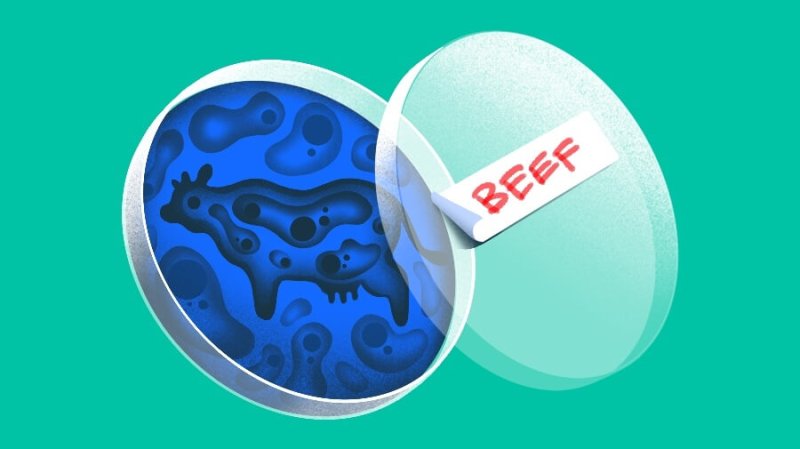
Viewpoint: Onerous dual-agency regulations could dramatically slow adoption of cell-based meats and seafood

Credit: Dom Guzman
Credit: Dom Guzman

Plant-based protein and โ€œmeat-alternativeโ€ products have streamed into the marketplace in recent years. The trend has been driven in part by world population growth and the quest to meet the increased demand for protein that comes with it.

Follow the latest news and policy debates on sustainable agriculture, biomedicine, and other ‘disruptive’ innovations. Subscribe to our newsletter.

While the concept of producing cultured meat is simple, the implementation has proven to be challenging. Cultured meat is not yet available for consumer purchase at retail or food-service outlets primarily because the technology is still in the discovery stages. The industry continues to face several hurdles โ€“ technological and otherwise.

Government oversight and labeling regulation present challenges for the commercialization of cultured meat.ย Production methods span areas where both the U.S. Food and Drug Administration and the U.S. Department of Agriculture have regulatory authority. That creates a potentially complicated dual-agency regulatory approach.

But per a recent agreement, the FDA will oversee cell collection and propagation up to the point of harvesting. The USDA will be responsible for all aspects of the end product, including food safety and labeling. That said no decisions have been made on the appropriate labeling terms to be used for cultured meat, poultry and seafood. The official names we may see in the marketplace are anybodyโ€™s guess.

This is an excerpt. Read the original post here

{{ reviewsTotal }}{{ options.labels.singularReviewCountLabel }}
{{ reviewsTotal }}{{ options.labels.pluralReviewCountLabel }}
{{ options.labels.newReviewButton }}
{{ userData.canReview.message }}

Related Articles

Infographic: Global regulatory and health research agencies on whether glyphosate causes cancer

Infographic: Global regulatory and health research agencies on whether glyphosate causes cancer

Does glyphosateโ€”the world's most heavily-used herbicideโ€”pose serious harm to humans? Is it carcinogenic? Those issues are of both legal and ...

Most Popular

ChatGPT-Image-May-7-2026-12_16_37-PM-2
Viewpoint: Are cancer rates โ€˜skyrocketingโ€™ as RFK, Jr. and MAHA claim? The evidence says mostly the opposite
Screenshot-2026-04-13-at-1.39.26-PM
Viewpoint: โ€˜Safer for children?โ€™ Stonyfield yogurt under fire for deceptive organic marketing
Screenshot-2026-04-22-at-10.46.29-AM
Viewpoint: How to counter science disinformation? Science journalist offers 12 practical tips
Picture1-14
When superbugs threaten vulnerable children: Can AI help solve antibiotic resistance?
Picture1-1
Cooling the planet with balloons: Could a geoengineering gamble slow global warming?
Screenshot-2026-04-23-at-11.00.36-AM
Regulators' dilemma: Thalidomide, Metformin, and the cost of getting drug approvals wrong
ChatGPT-Image-May-12-2026-08_39_41-PM
GLP podcast: Big Pharma, Big Ag, Big Foodโ€”health harming industries or life-saving innovators?
bigstock opioids on chalkboard with rol
GLP podcast: 'Safe injection sites': enabling drug addiction or saving lives?

Sorry. No data so far.

glp menu logo outlined

Get news on human & agricultural genetics and biotechnology delivered to your inbox.