Nigeria endorses safety of GMO foods

Nigeria has an enormous population that continues to grow. Feeding them requires safe, well regulated biotech. Credit: NMBA

The Director General of the National Biosafety Management Agency (NBMA), Dr. Rufus Ebegba, has restated that all approved Genetically Modified Organisms (GMOs) or food crops in Nigeria are safe for human consumption.

Ebegba stated this in Abuja at the Science Hangout organised by Alliance for Science Nigeria in collaboration with NBMA and Open Forum on Agricultural Biotechnology(OFAB), with the theme, “Nigeria’s Biosafety Regime for GMOs.”

He explained that the approved genetically modified foods had been subjected to rigorous process and scrutiny before they were released for use.

Follow the latest news and policy debates on sustainable agriculture, biomedicine, and other ‘disruptive’ innovations. Subscribe to our newsletter.

According to him, before the official release of GMOs, it would take up to 13 years of rigorous process, to do a risk assessment on the issues of culture, environment, and human health, among others.

He noted that his Agency has approved the commercial release of Bt.cotton and Pod Borer Resistant (PBR) cowpea, [and] also reviewed various applications for confined trials of cassava, maize and rice.


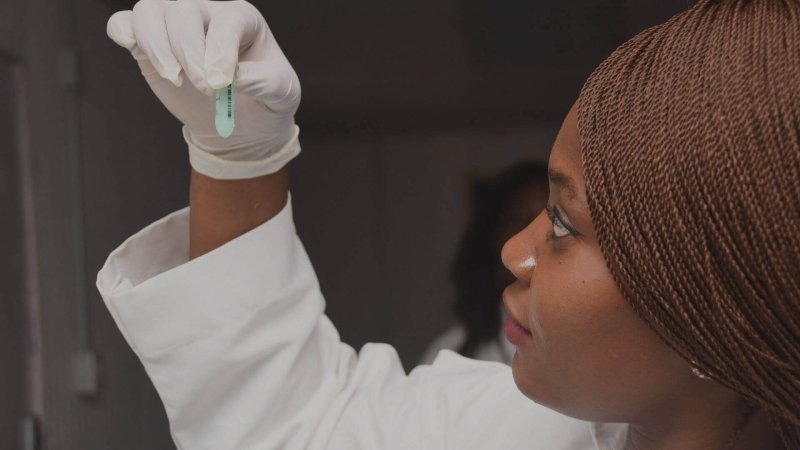
He also revealed that the Agency has developed policies, and guidelines as well as acquired a GMO detector laboratory, which is used to ascertain whether any product is safe or not.

He said: “I say this with all authority, biosafety is an economic enabler. The world cannot attain a green economy without the application of safe modern biotechnology.


This is an excerpt. Read the original post here

{{ reviewsTotal }}{{ options.labels.singularReviewCountLabel }}
{{ reviewsTotal }}{{ options.labels.pluralReviewCountLabel }}
{{ options.labels.newReviewButton }}
{{ userData.canReview.message }}

Related Articles

Infographic: Global regulatory and health research agencies on whether glyphosate causes cancer

Infographic: Global regulatory and health research agencies on whether glyphosate causes cancer

Does glyphosate—the world's most heavily-used herbicide—pose serious harm to humans? Is it carcinogenic? Those issues are of both legal and ...

Most Popular

Screenshot-PM-24
Viewpoint: The herbicide glyphosate isn’t perfect. Banning it would be far worse.
79d03212-2508-45d0-b427-8e9743ff6432
Viewpoint: The Casey Means hustle—Wellness woo opportunism dressed up as medical wisdom
d-b
Blocked arteries, kidney stones, nausea, constipation, fatigue: Long list of health problems caused by too much vitamin D 
ChatGPT-Image-Mar-10-2026-01_39_01-PM
Viewpoint—“Miracle molecule” debunked: Why acemannan supplements don’t work
ChatGPT-Image-Apr-30-2026-05_00_48-PM
Wellness grifter physician turned wellness influencer out as surgeon general nominee
Screenshot-2026-04-30-at-11.33.46-AM
Anti-seed-oil to anti-vax pipeline: MAHA movement spreads to teen influencers
lab grown meat research kelly schultz lehighuniversity main
Profiles of the 10 top global cultured meat companies
ChatGPT-Image-Apr-30-2026-12_21_05-PM-2
The tech billionaires behind the immortality movement
Screenshot-2026-04-28-at-1.21.37-PM
How America’s medical system encourages psychiatric overdiagnosis
ChatGPT-Image-Mar-27-2026-11_27_05-AM
The myths of “process”: What science says about the “dangers’ of synthetic products and ultra-processed foods

Sorry. No data so far.

glp menu logo outlined

Get news on human & agricultural genetics and biotechnology delivered to your inbox.