Viewpoint: GM vs organic crops — How to feed the world without destroying it

Credit: HowStuffWorks

There are more and more people in the world who are getting richer and are therefore eating more and more meat. For some it is clear that agriculture must massively expand its production. The others are demanding the opposite: Because farms have massively increased their production in the past, the environment is suffering enormously, which is why we need less yield and more nature, more organic, space for animals.

Follow the latest news and policy debates on sustainable agriculture, biomedicine, and other ‘disruptive’ innovations. Subscribe to our newsletter.

Both are right? Yes, because the way farming is done today is not sustainable. It is rightly encountering problems of social acceptance, is on the way to destroying hundreds of thousands of species in the world, and its methane, nitrous oxide and CO2 emissions alone could lead to catastrophic climate change.

But it is also true that the space available in the world is limited.

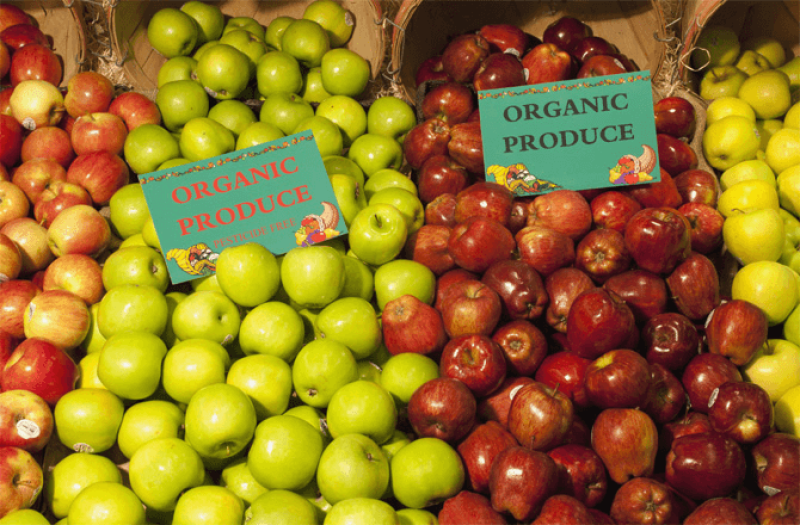
Organic farming produces an average of 34 percent less yield than conventional farming on the same area in Austria. In the case of soya, the differences are very small, with a loss of only nine percent. With rye it is 38 percent and with potatoes it is even 49 percent (on average between 2003 and 2015, source here). Globally, the losses are lower – 20 percent on average – but still high.

20 percent less without the use of artificial pesticides and fertilizers: That is quite remarkable and speaks for the knowledge of many organic farmers. But if the demand for food increases by half by 2050 and by 70 percent for food of animal origin by 2050, then these yield losses will hurt twice and three times over.


This is an excerpt. Read the original post here

{{ reviewsTotal }}{{ options.labels.singularReviewCountLabel }}
{{ reviewsTotal }}{{ options.labels.pluralReviewCountLabel }}
{{ options.labels.newReviewButton }}
{{ userData.canReview.message }}

Related Articles

Infographic: Global regulatory and health research agencies on whether glyphosate causes cancer

Infographic: Global regulatory and health research agencies on whether glyphosate causes cancer

Does glyphosate—the world's most heavily-used herbicide—pose serious harm to humans? Is it carcinogenic? Those issues are of both legal and ...

Most Popular

wuhan institute of virology main entrance
​​COVID lab leak? Making a case that the Wuhan market origins theory is wrong
ChatGPT-Image-Mar-10-2026-01_39_01-PM
Viewpoint—“Miracle molecule” debunked: Why acemannan supplements don’t work
ChatGPT-Image-May-18-2026-12_06_18-PM-2
Defying death: The immortality movement goes mainstream
ChatGPT Image May 28, 2026, 08_16_38 PM
Viewpoint: Why the EPA mismeasures cancer risk of chemicals and what should be done to fix it
ChatGPT Image Jun 1, 2026, 11_39_17 AM
Viewpoint: When food myths go viral, farmers pay the price
ChatGPT Image May 26, 2026, 08_42_17 AM (1)
Viewpoint: Greenpeace and poison: How environmental advocacy groups rely on compliant (and often ignorant) journalists to spread disinformation and spark litigation

Sorry. No data so far.

glp menu logo outlined

Get news on human & agricultural genetics and biotechnology delivered to your inbox.