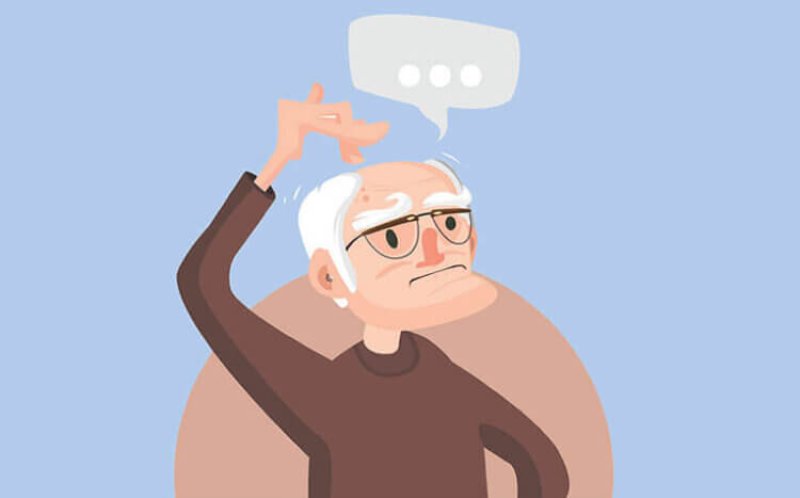
How can you distinguish normal aging from dementia — and what do you need to do to diagnose your situation?

dementia
Credit: iStock photo

A blood test that can be used to make a precise diagnosis of people with symptoms of dementia is just around the corner.

The test can potentially also determine whether we are at risk of developing Alzheimer’s disease years before symptoms appear.

At the same time, it may take several years before a medicine for the disease is available. Needless to say, this poses an ethical dilemma.

What’s the point of knowing that we could develop dementia when there is no cure?

Follow the latest news and policy debates on sustainable agriculture, biomedicine, and other ‘disruptive’ innovations. Subscribe to our newsletter.

[Researcher Karin Persson] points out that illnesses other than dementia can cause cognitive problems, including depression, burnout, vitamin deficiency, infection or metabolic diseases.

Some of these disorders can be easy to treat, she says.

“If the most common causes can be ruled out and there is still no good explanation for the patient’s symptoms, then the patient’s physician should proceed with tests and imaging studies of the brain,” she said.

A dementia diagnosis isn’t completely hopeless, because doctors have tools to help, even if the disease itself cannot be stopped.

If you are given this diagnosis and the right treatment and follow-up, you can often function better. For example, you will likely be able to continue with many of your usual activities and stay at home longer, Persson said.


This is an excerpt. Read the full article here

{{ reviewsTotal }}{{ options.labels.singularReviewCountLabel }}
{{ reviewsTotal }}{{ options.labels.pluralReviewCountLabel }}
{{ options.labels.newReviewButton }}
{{ userData.canReview.message }}

Related Articles

Infographic: Global regulatory and health research agencies on whether glyphosate causes cancer

Infographic: Global regulatory and health research agencies on whether glyphosate causes cancer

Does glyphosate—the world's most heavily-used herbicide—pose serious harm to humans? Is it carcinogenic? Those issues are of both legal and ...

Most Popular

Screenshot-2026-04-22-at-12.21.32-PM
Viewpoint: Why the retracted Monsanto glyphosate study doesn’t change the science—the world’s most popular herbicide is safe 
ChatGPT-Image-Apr-16-2026-02_56_53-PM
Financial incentives, over diagnosis, and weak oversight: Autism claims are driving up Medicare costs
Picture1
The FDA couldn’t find a vaccine safety crisis, so it buried its own research
global warming
‘Implausible’: Top climate scientists reject worst-case scenario—soaring temperatures and fast-rising sea levels
ChatGPT-Image-May-1-2026-11_42_59-AM-2
Viewpoint: NAD is the wellness grifters latest evidence-lite longevity fad. At least the mice are impressed.

Sorry. No data so far.

glp menu logo outlined

Get news on human & agricultural genetics and biotechnology delivered to your inbox.