Drivers of food security: European Commission report concludes chemical pesticides pose challenges to EU farmers

copper sulfite
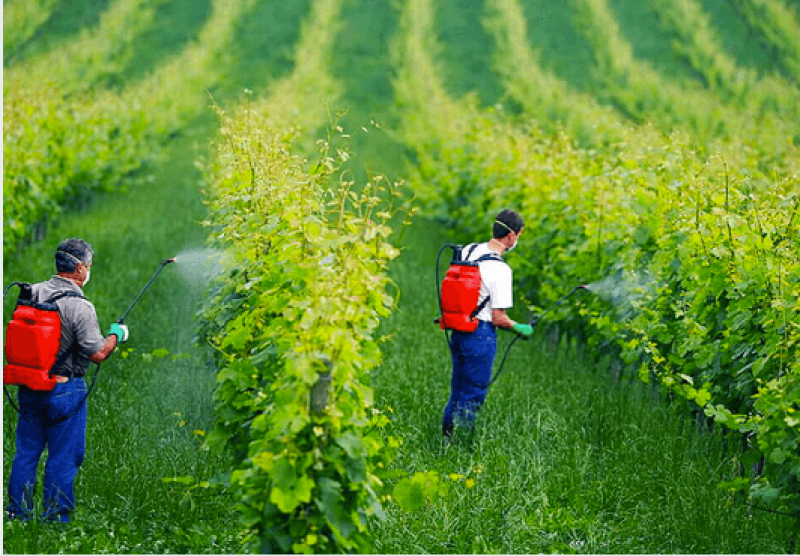
Farmers in Spain applying copper sulfate, an approved organic pesticide Image: Robert Harding

An intensive agricultural model โ€œbased on chemical pesticidesโ€ is likely to pose a food security threat due to a loss of biodiversity, according to new analysis published [January 4] by the European Commission.

The commissionโ€™s new report on theย โ€˜drivers of food securityโ€™ย outlined that โ€œa likely increase in pests, decline in soil health and loss of pollinatorsโ€ will present key challenges for farmers across the European Union (EU).

Researchers have also warned that changes in weather patterns are โ€œjeopardisingโ€ food production in Europe and predict that the impact of this โ€œwill worsenโ€ in the coming years.

Follow the latest news and policy debates on sustainable agriculture, biomedicine, and other ‘disruptive’ innovations. Subscribe to our newsletter.

In order to address the risks identified by researchers the report sets out what needs to be done to โ€œstrengthen the resilience of food systemsโ€.

โ€œEnhancing the resilience of primary production systems to sustain food security requires a multi-dimensional and interacting approach,โ€ it stated.

“This includes action aimed at reducing pollution and chemical inputs, closing nutrient cycles, fostering biodiversity, sustainable use of fresh and marine waters and soil health, reversing pollinator decline, as well as better protection against climate change while maintaining vital ecosystem services.”


This is an excerpt. Read the original post here

{{ reviewsTotal }}{{ options.labels.singularReviewCountLabel }}
{{ reviewsTotal }}{{ options.labels.pluralReviewCountLabel }}
{{ options.labels.newReviewButton }}
{{ userData.canReview.message }}

Related Articles

Infographic: Global regulatory and health research agencies on whether glyphosate causes cancer

Infographic: Global regulatory and health research agencies on whether glyphosate causes cancer

Does glyphosateโ€”the world's most heavily-used herbicideโ€”pose serious harm to humans? Is it carcinogenic? Those issues are of both legal and ...

Most Popular

ChatGPT-Image-Jun-9-2026-01_11_37-PM
Turmeric supplements: More risks than benefits
newborn infant baby mother
Facts & Fallacies Podcast: The truth about vitamin K shots
Screenshot-2026-06-16-at-10.02.22-PM
Viewpoint: โ€˜Industrial foodโ€™ primerโ€”Challenging the dangerous delusions of the alternative food movement
Screen Shot at AM
Facts & Fallacies Podcast: Right-wing politics bad for your health? Separating speculation from science
ChatGPT Image Jun 16, 2026, 12_03_37 PM
Kennedy accused of trying to โ€˜bullyโ€™ science journal that retracted study linking vaccines to infant deaths
ChatGPT-Image-Jun-3-2026-04_29_13-PM
Viewpoint: While unvaccinated children are dying overseas, Congress challenges Trump and Kennedyโ€™s block on aid
Screenshot-2026-06-16-at-11.23.32-AM
In a rebuke to RFK, Jr.โ€™s anti-vax crusade, journal retracts study claiming hepatitis B vaccineโ€“autism link
Screenshot-2026-06-16-at-12.33.01-PM
Whoโ€™s responsible when AI lies? Google challenging court ruling that search results are not protected from legal liability
ChatGPT-Image-Jun-15-2026-12_13_41-PM
Viewpoint: Behind the effort to re-purpose the tobacco attack strategy to fight ultra-processed foods
ChatGPT-Image-Jun-15-2026-11_00_13-AM-2
Glucosamine alert: Alzheimerโ€™s progresses faster among those taking the popular supplement
Screenshot-2026-06-16-at-12.46.54-PM
Viewpoint: โ€œDead Wrongโ€โ€”Understanding healthcareโ€™s misinformation epidemic
Screenshot-2026-06-05-at-2.12.30-PM
Some plants can poison you. So how did humans figure out what is safe to eat?
ChatGPT-Image-Mar-10-2026-01_39_01-PM
Viewpointโ€”โ€œMiracle moleculeโ€ debunked: Why acemannan supplements donโ€™t work
glp menu logo outlined

Get news on human & agricultural genetics and biotechnology delivered to your inbox.