COVID and cognition: How severe cases can age your brain

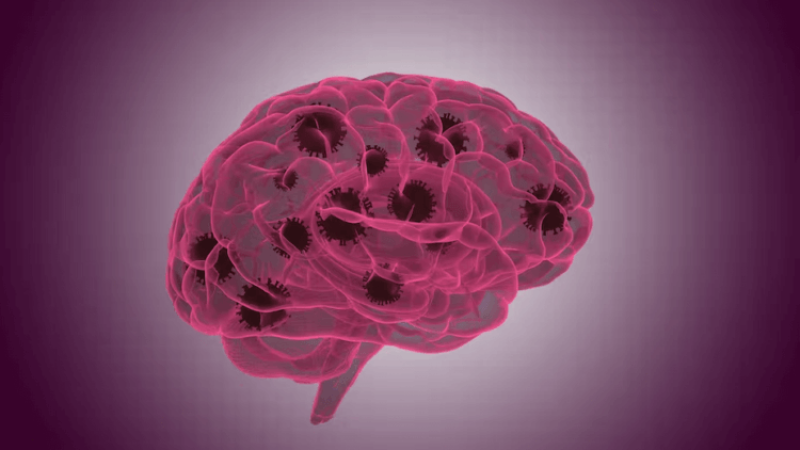
Severe COVID-19 causes aging-like changes in the human brain
Credit: Alexander Limbach/Shutterstock

In a recent article published in Nature Aging, researchers found that severe coronavirus disease 2019 (COVID-19) triggers aging-like changes in the brain’s frontal cortex region, resulting in cognitive deficits. These findings highlight the importance of neurological examination of individuals who have recovered from COVID-19.

Previous studies have reported an average 10-year reduction in global cognitive performance post-severe COVID-19. Similarly, some reports have shown that COVID-19 damages the frontal cortex, the brain region responsible for cognition.

Despite these observations, there remains inadequate molecular evidence for severe acute respiratory syndrome coronavirus 2 (SARS-CoV-2)-induced effects on the brain, which the researchers of the current study have hypothesized are similar to accelerated aging effects.

In the present study, researchers analyzed frontal cortex samples obtained from 54 individuals through ribonucleic acid sequencing (RNA-seq) to identify molecular signatures similar to aging associated with severe COVID-19.


Follow the latest news and policy debates on sustainable agriculture, biomedicine, and other ‘disruptive’ innovations. Subscribe to our newsletter.

The current study identified aging-like gene expression changes in individuals with severe COVID-19 that explain the cognitive deficits observed in recovered cases. Furthermore, the results showed that circulating pro-inflammatory cytokines mediated these aging-related gene expression changes, which suggests that severe COVID-19-induced inflammation might be neuroprotective.

Based on these findings, the researchers recommend that those who have recovered from severe COVID-19 undergo neurological follow-up. Monitoring and early interventions could potentially impede aging-like neurological pathologies and subsequent cognitive decline in these individuals.


This is an excerpt. Read the full article here

{{ reviewsTotal }}{{ options.labels.singularReviewCountLabel }}
{{ reviewsTotal }}{{ options.labels.pluralReviewCountLabel }}
{{ options.labels.newReviewButton }}
{{ userData.canReview.message }}

Related Articles

Infographic: Global regulatory and health research agencies on whether glyphosate causes cancer

Infographic: Global regulatory and health research agencies on whether glyphosate causes cancer

Does glyphosate—the world's most heavily-used herbicide—pose serious harm to humans? Is it carcinogenic? Those issues are of both legal and ...

Most Popular

Screenshot-PM-24
Viewpoint: The herbicide glyphosate isn’t perfect. Banning it would be far worse.
79d03212-2508-45d0-b427-8e9743ff6432
Viewpoint: The Casey Means hustle—Wellness woo opportunism dressed up as medical wisdom
d-b
Blocked arteries, kidney stones, nausea, constipation, fatigue: Long list of health problems caused by too much vitamin D 
ChatGPT-Image-Mar-27-2026-11_27_05-AM
The myths of “process”: What science says about the “dangers’ of synthetic products and ultra-processed foods
ChatGPT-Image-Mar-3-2026-01_17_14-PM
MAHA wellness influencers deride proven anxiety medications, tout lifestyle fixes
ChatGPT-Image-Mar-10-2026-01_39_01-PM
Viewpoint—“Miracle molecule” debunked: Why acemannan supplements don’t work
ChatGPT-Image-Apr-30-2026-12_21_05-PM-2
The tech billionaires behind the immortality movement

Sorry. No data so far.

glp menu logo outlined

Get news on human & agricultural genetics and biotechnology delivered to your inbox.