Biomimicry and four other technologies that can limit carbon emissions from food production

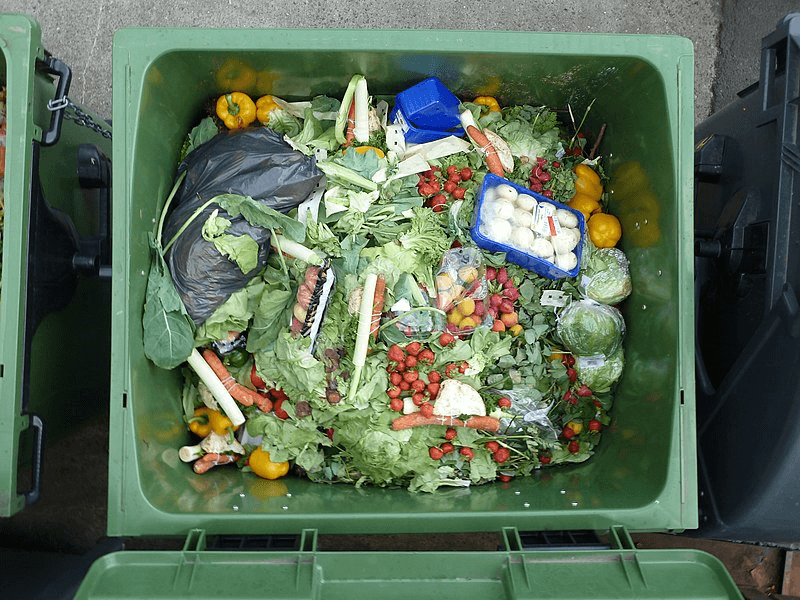
The amount of food wasted is suprisingly high in aggregate. Credit: Foerster via CC0-1.0

Here are five major innovation trends that could help to curb the worst of the climate impact.

Biomimicry provides an increased scientific understanding of the chemical and molecular communication mechanisms in nature that can positively impact our food system. The technology will be increasingly utilized to develop climate-smart technologies in food and agriculture.

Follow the latest news and policy debates on sustainable agriculture, biomedicine, and other ‘disruptive’ innovations. Subscribe to our newsletter.

Re-creating categories with diverse, plant-based food sources. 75% of our diets consist of just 12 plants and 5 animal species. Think soy, maize, wheat, and beef. Historically these crops have provided humankind with cheap calories, resulting in some of the lowest hunger rates in human history. But hunger is now on the rise, and the dominance of monoculture is driving our health and planetary crisis. Diversifying our food sources is a critical step to feeding the planet in a healthy and sustainable way.

Artificial Intelligence (AI) to Address Food Waste: Could this be the year that intelligent machines address the food waste problem once and for all? No doubt we will see the increasing importance of AI in monitoring and managing food safety, recipe development, and supply chain management. But the holy grail? Food waste management.

This is an excerpt. Read the original post here

{{ reviewsTotal }}{{ options.labels.singularReviewCountLabel }}
{{ reviewsTotal }}{{ options.labels.pluralReviewCountLabel }}
{{ options.labels.noReviewsLabel }}
{{ options.labels.newReviewButton }}
{{ userData.canReview.message }}

Related Articles

Infographic: Global regulatory and health research agencies on whether glyphosate causes cancer

Infographic: Global regulatory and health research agencies on whether glyphosate causes cancer

Does glyphosate—the world's most heavily-used herbicide—pose serious harm to humans? Is it carcinogenic? Those issues are of both legal and ...

Most Popular

Screenshot-2026-07-09-at-1.09.25-PM
Anti-vaccine myths rattle health care
ChatGPT-Image-Mar-10-2026-01_39_01-PM
Viewpoint—“Miracle molecule” debunked: Why acemannan supplements don’t work
ChatGPT-Image-Jul-10-2026-12_21_03-PM
Viewpoint: Is there new evidence that the animal deworming drug ivermectin decreases the risk of Covid and cancer? Don’t waste your money.
Picture1
Hiroshima at 81: America’s new nuclear bomb, a buried Iranian target, and a question no one wants to ask
ChatGPT-Image-Jun-25-2026-12_23_17-PM
No, Bill Gates did not secretly engineer ticks to promote veganism
leeteam
How Kennedy and his family could pocket millions from Merck’s $50 million vaccine injury settlement that he oversaw
Screenshot-2026-07-30-at-3.07.42-PM
Controversy over WNBA star Sophie Cunningham’s comment opposing trans females in women’s sports reinvigorates the culture wars
Screenshot-2026-07-30-at-2.30.35-PM
Climate scientists claim conservative activists are promoting ‘lies’ that Europe’s summer heatwaves are far from unusual

Sorry. No data so far.

glp menu logo outlined

Get news on human & agricultural genetics and biotechnology delivered to your inbox.