
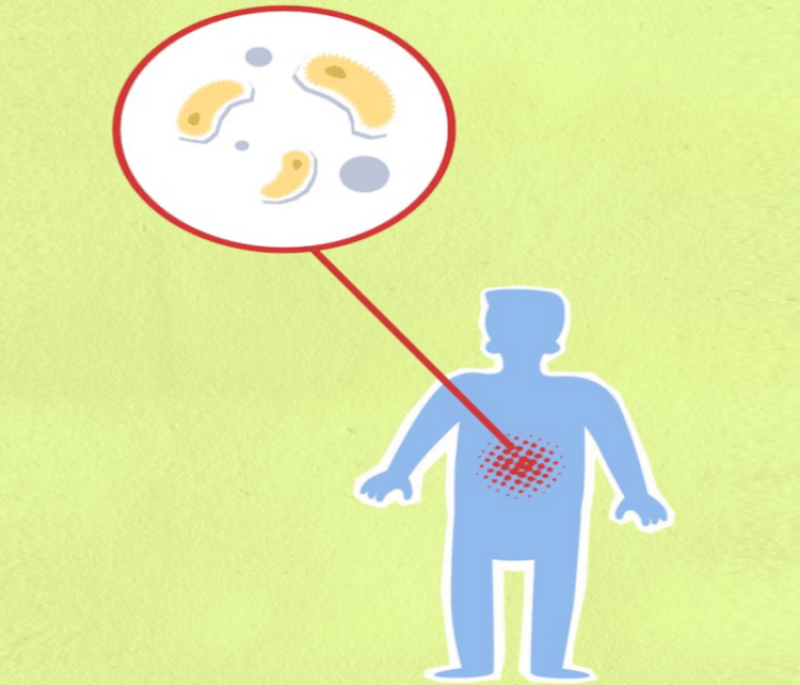
Does gut bacteria ‘control’ your brain? Exploring connections between our microbiomes and mental health

Does gut bacteria ‘control’ your brain? Exploring connections between our microbiome and mental health
Credit: Pexels/ Monstera

Over the last few decades, researchers have started to uncover curious, compelling – and sometimes controversial – evidence to suggest that the gut microbiota doesn’t just help to keep our brains in prime working order by helping to free up nutrients for it from our food, but may also help to shape our very thoughts and behaviour. Their findings may even potentially bolster how we understand and lead to new treatments for a range of mental health conditions, from depression and anxiety to schizophrenia.

Mis- and disinformation are distorting science and public policy. Subscribe to our Daily and Weekly Digests for incisive coverage of ‘disruptive’ innovations in AI, agricultural biotechnology, food, chemicals, nuclear energy, vaccines, and other disruptive innovations.

“Specific gut microbes can modulate the immune system in ways that impact the brain and also produce molecules that signal directly to neurons to regulate their activity,” [researcher Elaine Hsiao] says. “We find that gut microbes can regulate the early development of neurons in ways that lead to lasting impacts on brain circuits and behaviours. We also find that under shorter timescales, gut microbes can regulate the production of biochemicals, like serotonin, that actively stimulate neuronal activity.”

Indeed, research suggests our microbes may be communicating with our brains through numerous pathways, from immunity to biochemicals. Another candidate is the vagus nerve, which acts as the superfast “internet connection” between our brain and internal organs, including the gut.


This is an excerpt. Read the full article here

Related Articles

Infographic: Global regulatory and health research agencies on whether glyphosate causes cancer

Infographic: Global regulatory and health research agencies on whether glyphosate causes cancer

Does glyphosate—the world's most heavily-used herbicide—pose serious harm to humans? Is it carcinogenic? Those issues are of both legal and ...

Most Popular

ChatGPT-Image-Mar-10-2026-01_39_01-PM
Viewpoint—“Miracle molecule” debunked: Why acemannan supplements don’t work
Screenshot 2026-11-23 at 11.51
Calley Means’ demonization of glyphosate is ‘just craziness’. Farmers are responding with science.
Screenshot-2026-11-09-at-3.01.19-PM
Are Texas data centers killing calves? Debunking viral AI claims
Pastel Breakfast Pedestals with Yogurt Bowl
RFK Jr. is about to issue an edict defining ultra-processed foods. What could go wrong?
Screenshot-2026-11-16-at-2.37.32-PM
30 years of GMO farming: Is the boom in glyphosate and glufosinate use harming the environment? Data show they’re the most sustainable choice
glp menu logo outlined

Get news on human & agricultural genetics and biotechnology delivered to your inbox.















