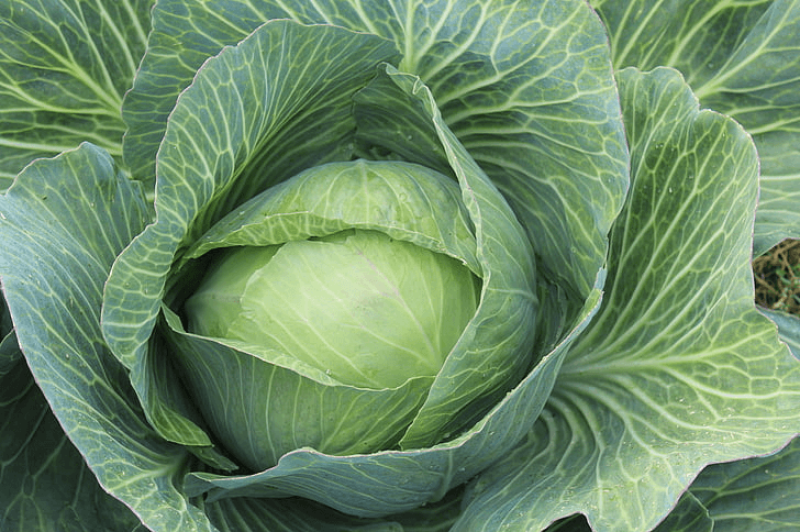
The cruciferous vegetable family, also known as the Brassicaceae or Cruciferae family, originally hails from the Mediterranean and Central Asia and is a member of the mustard family, which includes plants such as mustards, radishes, and turnips. This family of plants is unique because it can cross-pollinate, meaning that different varieties of the same species can be bred to create new varieties.
Wild cruciferous plants were known for their bitter flavor and tough leaves and were likely only consumed by humans in times of scarcity. However, as early as 2000 years ago, ancient civilizations began experimenting with selective breeding to improve the taste and texture of these plants. This allowed people to harvest and store more food, as the heads of the plants could be preserved for longer periods of time.
Our modern-day diet would not be the same without the Brassicaceae family. This family of plants has been bred for more than 2,000 years to give us some of the most delicious and nutritious vegetables we know and love today.

So, next time you’re enjoying a tasty plate of broccoli, a crunchy cabbage salad, or a creamy cauliflower mash, take a moment to appreciate the ingenuity and determination of our ancestors and the ongoing evolution of our food.