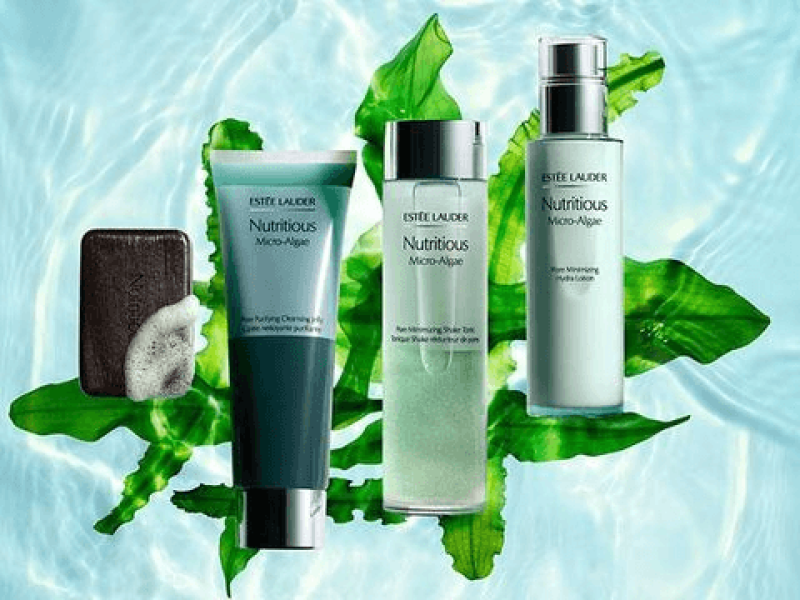
Microalgae-based cosmetics? Popularity of new skin care products not yet matched by science

Credit: Estee Lauder

According to Mintel’s GNPD (Global New Product Database), in 2022, 22.2% of new US skincare product launches included chlorella or spirulina in their INCI (International Nomenclature Cosmetic Ingredient). For comparison, in 2018, these two microalgae ingredients featured in 13.2% of new US skincare product launches.

Anna Keller, global senior beauty & personal care analyst at Mintel, said this showed that in the last five years, there had been substantial growth in the number of new beauty products launched in the USA with microalgae ingredients.

Follow the latest news and policy debates on sustainable agriculture, biomedicine, and other ‘disruptive’ innovations. Subscribe to our newsletter.

Keller said that microalgae tapped into the ‘blue beauty’ movement, which focused on improving the relationship between the beauty industry and marine life and was driving demand for natural, vegan ingredients sustainably sourced from a ‘blue’ environment.

Some scientific research has confirmed the benefits of microalgal bioactivities for beauty, such as an increase in skin moisturization, promotion of microcirculation, and anti-inflammatory action. Most recently, a study by Brazilian scientists confirmed the potential of using microalgae derivatives in dermocosmetics with anti-aging claims or soothing properties.

However, microalgae can still be considered an under-explored natural resource of bioactive compounds for cosmetics, with brands relying on positive associations rather than proven efficacy.


This is an excerpt. Read the original post here

{{ reviewsTotal }}{{ options.labels.singularReviewCountLabel }}
{{ reviewsTotal }}{{ options.labels.pluralReviewCountLabel }}
{{ options.labels.noReviewsLabel }}
{{ options.labels.newReviewButton }}
{{ userData.canReview.message }}

Related Articles

Infographic: Global regulatory and health research agencies on whether glyphosate causes cancer

Infographic: Global regulatory and health research agencies on whether glyphosate causes cancer

Does glyphosate—the world's most heavily-used herbicide—pose serious harm to humans? Is it carcinogenic? Those issues are of both legal and ...

Most Popular

Picture1
Hiroshima at 81: America’s new nuclear bomb, a buried Iranian target, and a question no one wants to ask
ChatGPT-Image-Mar-10-2026-01_39_01-PM
Viewpoint—“Miracle molecule” debunked: Why acemannan supplements don’t work
Screenshot-2026-07-31-at-10.10.55-AM
Viewpoint: ‘Misinformation' about the effects of offshore wind turbines on marine life could derail offshore wind farm projects 
ChatGPT Image Jul 29, 2026, 06_26_01 PM 2
Facts & Fallacies podcast: Organic food myths make a comeback on Instagram, with Dr. Kevin Folta
ChatGPT-Image-Jul-10-2026-09_42_12-AM-1
Peptides, patient autonomy, and the limits of medical freedom
ChatGPT-Image-Jul-10-2026-12_21_03-PM
Viewpoint: Is there new evidence that the animal deworming drug ivermectin decreases the risk of Covid and cancer? Don’t waste your money.
Screenshot-2026-07-09-at-1.09.25-PM
Anti-vaccine myths rattle health care
ChatGPT Image Jul 31, 2026, 08_05_37 AM
With trust in RFK, Jr.'s CDC vaccine advice collapsing, physicians scramble to fill the information gap
ChatGPT-Image-Jul-31-2026-07_35_35-AM
Wikipedia has assembled an informative list of fake news websites from across the ideological spectrum
Screenshot-2026-07-31-at-9.37.42-AM
Obsessing about ultra-processed foods but ignoring what matters far more: A balanced diet
ChatGPT-Image-Jul-22-2026-09_13_07-AM
Viewpoint—The Strategic Litigation boom: Understanding the tightening coalition among NGOs, foundations, journalists, and tort lawyers
ChatGPT Image Jul 29, 2026, 10_17_59 AM
Viewpoint: What does it mean when critics of conventional agriculture say many fruits and vegetables are “linked” to pesticide poisoning?
glp menu logo outlined

Get news on human & agricultural genetics and biotechnology delivered to your inbox.