Viewpoint: ‘Now is not the time to make agriculture more difficult’ — Why Europe’s biotech and pesticide food policies do more harm than good

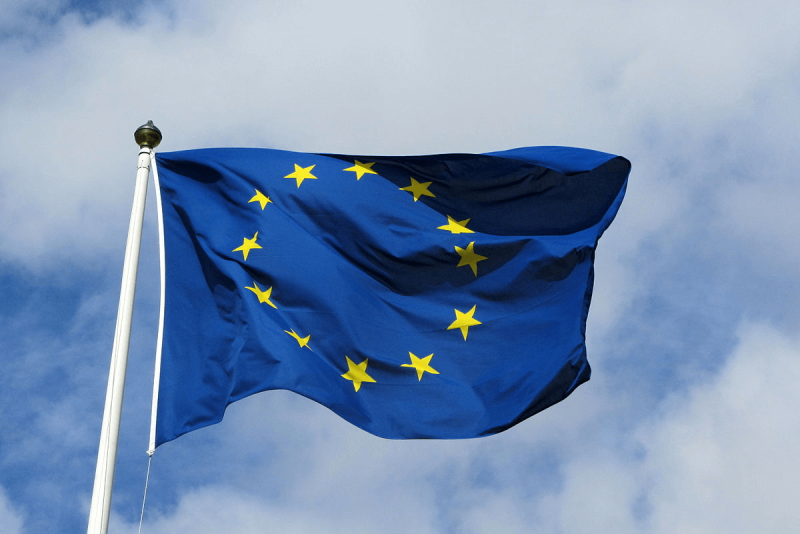
Credit: MPD01605 via Flickr and CC-BY-SA-2.0

Centre right MEPs say they want to postpone the law proposal on pesticide reduction in its current form because it will jeopardise European food production during the war in Ukraine.

Follow the latest news and policy debates on sustainable agriculture, biomedicine, and other ‘disruptive’ innovations. Subscribe to our newsletter.

The debate on the new Sustainable Use of Pesticides (SUR) Regulation, marks the start of negotiations on the file in Parliament.

The EPP Group sounded the starting gun by saying it “firmly opposes” proposals of the Green Group in the European Parliament, which, it says, are “led by pure ideology as opposed to science.”

The draft aims to further increase the Commission proposal to more than 50 per cent reduction in pesticides and more than 80 per cent for the more hazardous pesticides by 2030.

For ECR environment coordinator and shadow rapporteur Alexandr Vondra, this goes too far. Vondra said, “With high prices and multiple crises in Europe and around the world, now is not the time to make agricultural production more difficult.

Vondra added:

We all want to have more space and potential for biodiversity. But, if we want to have areas with more biodiversity and less chemicals on them, then of course that will mean dramatically lower yields for farmers, lower food quality for consumers, and that will have to be compensated for elsewhere.


This is an excerpt. Read the original post here

{{ reviewsTotal }}{{ options.labels.singularReviewCountLabel }}
{{ reviewsTotal }}{{ options.labels.pluralReviewCountLabel }}
{{ options.labels.newReviewButton }}
{{ userData.canReview.message }}

Related Articles

Infographic: Global regulatory and health research agencies on whether glyphosate causes cancer

Infographic: Global regulatory and health research agencies on whether glyphosate causes cancer

Does glyphosate—the world's most heavily-used herbicide—pose serious harm to humans? Is it carcinogenic? Those issues are of both legal and ...

Most Popular

ChatGPT-Image-Mar-10-2026-01_39_01-PM
Viewpoint—“Miracle molecule” debunked: Why acemannan supplements don’t work
Screenshot 2025-07-30 at 10.48
Can gene editing eliminate Down syndrome? Scientists have done it in lab-grown cells
Screenshot 2026-05-26 at 10.15
Viewpoint: Double standard—Why does the wellness industry get a free pass while Big Healthcare is treated as morally suspect?
ChatGPT-Image-Jun-4-2026-01_27_58-PM
Viewpoint—N.A.D.+: Why Gwenyth Paltrow’s heralded anti-aging supplement doesn’t work
downsyndrome_compilation_MID_1
CRISPR breakthrough that can remove the chromosome responsible for Down syndrome raises ethical questions
ChatGPT-Image-May-26-2026-07_51_21-AM-2
Viewpoint: There are more than 1,000 chemicals in a cup of coffee—including many substances that can cause cancer. Why isn’t it banned?
tick-DNA
GLP podcast: Spread meat allergy with gene-edited ticks? Bioethicists pose vile ‘thought experiment’
Screenshot-2026-06-03-at-1.24.46-PM
Challenging anti-GMO disinformation: Why genetically-tweaked crops offer bushels of benefits

Sorry. No data so far.

glp menu logo outlined

Get news on human & agricultural genetics and biotechnology delivered to your inbox.