With Germany voicing opposition to loosening crop gene editing rules, Europe now expected to table deregulation talks

Credit: European Public Health Alliance

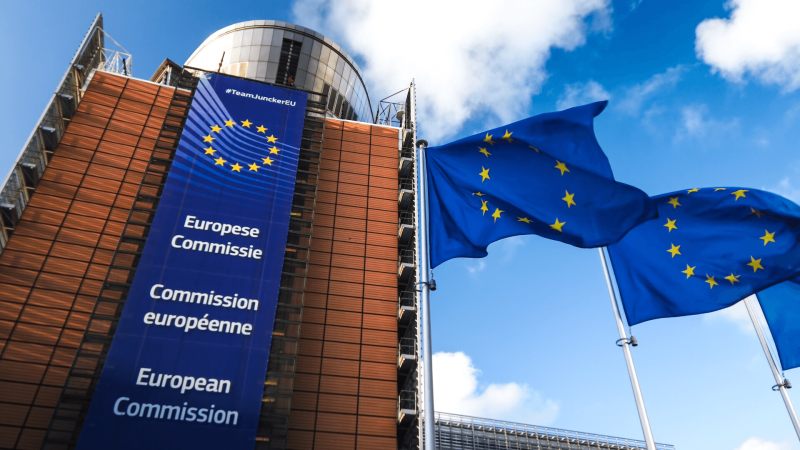
The European Commission is expected to table proposals for loosening EU rules on gene editing, more specifically, new genomic techniques (NGTs), in June this year.

NGTs, also known as plant breeding techniques, are a number of scientific methods used to alter genomes with the aim of genetically engineering certain traits into plants, such as drought

With the Commissionย gearing upย to push for the liberalisation of the gene editing legislation, Germany could be a key player in determining how such a proposal will go down with member states.

The countryโ€™s green-led agriculture ministry has now put its cards on the table and came out against deregulating NGTs after minister Cem ร–zdemir had so farย refused to take a stanceย on the matter.

Follow the latest news and policy debates on sustainable agriculture, biomedicine, and other ‘disruptive’ innovations. Subscribe to our newsletter.

How the agriculture ministry positions itself could be decisive in determining Berlinโ€™s stance on the matter since the relevant ministries are split.

While liberal research and science minister Bettina Stark-Watzinger wants to harness the potential of new genomic techniques and clear barriers that stand in the way of this, green environment minister Steffi Lemke is a staunch opponent of gene editing.


This is an excerpt. Read the original post here

{{ reviewsTotal }}{{ options.labels.singularReviewCountLabel }}
{{ reviewsTotal }}{{ options.labels.pluralReviewCountLabel }}
{{ options.labels.newReviewButton }}
{{ userData.canReview.message }}

Related Articles

Infographic: Global regulatory and health research agencies on whether glyphosate causes cancer

Infographic: Global regulatory and health research agencies on whether glyphosate causes cancer

Does glyphosateโ€”the world's most heavily-used herbicideโ€”pose serious harm to humans? Is it carcinogenic? Those issues are of both legal and ...

Most Popular

ChatGPT Image May 10, 2026, 08_16_59 PM 2
Overmedicalization? RFK Jr.โ€™s antidepressant crackdown raises conflict questions over his fee stake in Wisner Baum, the tort firm built on suing drug makers
Picture1-5
Science Disinformation Gap: The transatlantic battle over social media and censorship
Picture1-1
Cooling the planet with balloons: Could a geoengineering gamble slow global warming?
Screenshot-2026-05-11-104424
Hantavirus outbreak research: Trump administration shut down study last year on rodent-to-human transmission
Picture1-14
When superbugs threaten vulnerable children: Can AI help solve antibiotic resistance?
Screenshot 2026-05-11 at 11.30
Despite politicized disinformation, Midwest AI data centers are fueling a solar energy boom
ChatGPT-Image-Apr-13-2026-02_20_22-PM
Viewpoint: Misinformation infodemic? Why assessing evidence is so challengingย 
Screenshot-2026-05-08-at-11.55.47-AM
Anti-vax activists falsely blame COVID vaccines for the rising U.S. cancer rate among younger people.
S
As vaccine rejectionism spreads, measles may be taking a more dangerous turn
Screenshot-2026-05-01-at-1.29.41-PM
Viewpoint: What happens when whole grains meet modern food manufacturing? Labels donโ€™t tell the whole story.
Screenshot-2026-05-08-at-3.40.33-PM
Seeds of power: China turns to genetic engineering to become global superpower
Screenshot-2026-04-20-at-2.26.27-PM
Viewpoint โ€” Food-fear world: The latest activist scientists campaign: Cancer-causing additives
glp menu logo outlined

Get news on human & agricultural genetics and biotechnology delivered to your inbox.