5 vestigial organs: How human evolution has rendered multiple parts useless

5 vestigial organs: How human evolution has rendered multiple parts useless
Credit: Pixabay/ Prawny

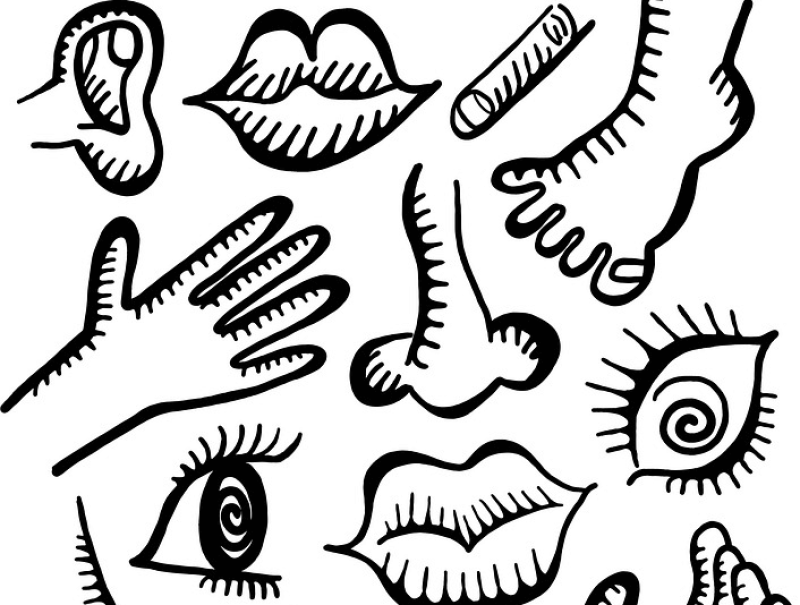
Vestigial structures are body parts that we’ve evolved toย no longer need. The natural selection process dictates that we keep the traits that continue to serve a purpose while the others become functionless or degenerate. Here are five vestigial body parts.ย ย 

1. Appendix

In humans, this organ dates back almost 80 million years and helped our ancestors to digest tough plants and vegetables.

Follow the latest news and policy debates on sustainable agriculture, biomedicine, and other ‘disruptive’ innovations. Subscribe to our newsletter.

2. Ear Muscles

Our ancient ancestors couldย move their ears โ€” which they did in response to different sounds. This allowed for more accurate identification of the source of the sound.ย 

3. Sinuses

Paranasal sinuses are air pockets in our skull and facial bones… Researchers believe that early ancestors relied on sinuses for a more pronounced sense of smell that aided survival.

4. Tailbone

Many primates haveย tails that help them with balance when swinging through trees. However, when apes evolved about 25 million years ago โ€” they did so without tails.

5. Wisdom Teeth

The diet of early humans consisted of dense food such as raw meat, leaves, roots, plants, nuts, and bark. Wisdom teeth (or the third set of molars) were once needed to grind down these foods for proper digestion. The discovery of fire, cooking and eventually eating utensils led to the consumption of softer foods.


This is an excerpt. Read the full article here

{{ reviewsTotal }}{{ options.labels.singularReviewCountLabel }}
{{ reviewsTotal }}{{ options.labels.pluralReviewCountLabel }}
{{ options.labels.newReviewButton }}
{{ userData.canReview.message }}

Related Articles

Infographic: Global regulatory and health research agencies on whether glyphosate causes cancer

Infographic: Global regulatory and health research agencies on whether glyphosate causes cancer

Does glyphosateโ€”the world's most heavily-used herbicideโ€”pose serious harm to humans? Is it carcinogenic? Those issues are of both legal and ...

Most Popular

Screenshot 2026-05-26 at 10.15
Viewpoint: Double standardโ€”Why does the wellness industry get a free pass while Big Healthcare is treated as morally suspect?
ChatGPT-Image-Jun-4-2026-11_49_36-AM-2
โ€˜You donโ€™t understand Tolkienโ€™: Skeptic Pope trolls tech giants about the exaggerated, risk-less benefits of AI
Screenshot 2025-07-30 at 10.48
Can gene editing eliminate Down syndrome? Scientists have done it in lab-grown cells
Screenshot-2026-06-04-at-12.05.08-PM
Cases of brain inflammation surge as U.S. measles pandemic approaches 2000
ChatGPT-Image-Jun-4-2026-01_27_58-PM
Viewpointโ€”N.A.D.+: Why Gwenyth Paltrowโ€™s heralded anti-aging supplement doesnโ€™t work
ChatGPT Image May 26, 2026, 08_42_17 AM (1)
Viewpoint: Greenpeace and poison: How environmental advocacy groups rely on compliant (and often ignorant) journalists to spread disinformation and spark litigation
ChatGPT Image May 26, 2026, 08_21_36 AM
Limiting gender affirming interventions: Trump administration targets Texas even though it already bans youth access
Screenshot-2026-06-03-at-1.24.46-PM
Challenging anti-GMO disinformation: Why genetically-tweaked crops offer bushels of benefits
ChatGPT-Image-Mar-10-2026-01_39_01-PM
Viewpointโ€”โ€œMiracle moleculeโ€ debunked: Why acemannan supplements donโ€™t work
ChatGPT-Image-May-26-2026-07_51_21-AM-2
Viewpoint: There are more than 1,000 chemicals in a cup of coffeeโ€”including many substances that can cause cancer. Why isnโ€™t it banned?
ChatGPT-Image-Jun-2-2026-03_04_17-PM
Viewpoint: Why the hyper-promoted doping โ€˜enhanced gamesโ€™ pseudo Olympics flopped
glp menu logo outlined

Get news on human & agricultural genetics and biotechnology delivered to your inbox.