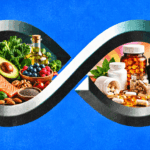

Following a Mediterranean diet lowers the risk of developing Type 2 diabetes more than previously thought, a new study says.
Instead of evaluating the diet’s health benefits in the usual way of asking people what they ate and then waiting to see if they developed Type 2 diabetes, researchers sampled people’s blood and looked for evidence of the popular diet’s health benefits in the form of blood biomarkers. It turns out, what people said they ate and what their blood indicates they ate are pretty different.
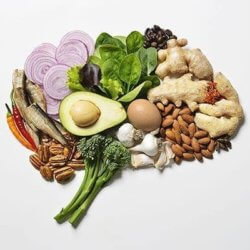
The Mediterranean diet encourages eating lots of vegetables, fruits, olive oil, fish, and nuts. Researchers were able to identify people who strictly followed the diet by finding evidence, or biomarkers, in the form of molecules called fatty acids and carotenoids in their blood.
The fatty acids are indicators of how much fish, nuts, olive oil, and dairy someone eats. The carotenoids indicate the amount of fruit and vegetables someone eats.




Researchers evaluated stored blood samples and self-reported diet information from more than 20,000 people who were followed in a European study for about 10 years. They found that the people whose blood biomarker levels indicated they were following a Mediterranean diet had a nearly 30% reduced risk of developing Type 2 diabetes during those 10 years