China approves its first gene-edited crop, a soybean that raises the level of healthy fat oleic acid in the plant

Credit: Wallpaper Flare (Public Domain)

China has approved the safety of a gene-edited soybean, its first approval of the technology in a crop, as the country increasingly looks to science to boost food production.

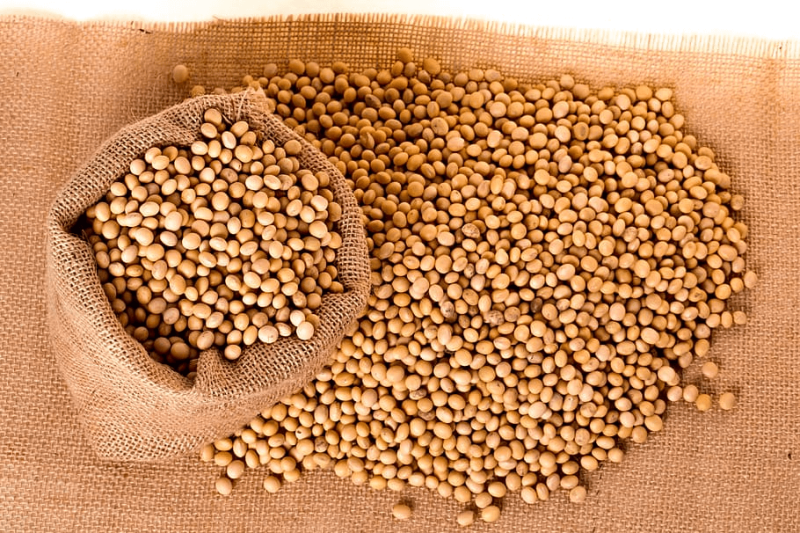
The soybean, developed by privately owned Shandong Shunfeng Biotechnology Co., Ltd, has two modified genes, significantly raising the level of healthy fat oleic acid in the plant.

Follow the latest news and policy debates on sustainable agriculture, biomedicine, and other ‘disruptive’ innovations. Subscribe to our newsletter.

Shunfeng claims to be the first company in China seeking to commercialise gene-edited crops.

It is currently researching around 20 other gene-edited crops, including higher yield rice, wheat and corn, herbicide-resistant rice and soybeans and vitamin C-rich lettuce, said a company representative.

United States-based company Calyxt also developed a high oleic soybean, producing a healthy oil that was the first gene-edited food to be approved in the U.S. in 2019.

Several additional steps are needed before China’s farmers can plant the novel soybean, including approvals of seed varieties with the tweaked genes.

The approval comes as trade tensions, erratic weather and war in major grain exporter Ukraine have increased concerns in Beijing over feeding the country’s 1.4 billion people.


This is an excerpt. Read the original post here

{{ reviewsTotal }}{{ options.labels.singularReviewCountLabel }}
{{ reviewsTotal }}{{ options.labels.pluralReviewCountLabel }}
{{ options.labels.newReviewButton }}
{{ userData.canReview.message }}

Related Articles

Infographic: Global regulatory and health research agencies on whether glyphosate causes cancer

Infographic: Global regulatory and health research agencies on whether glyphosate causes cancer

Does glyphosate—the world's most heavily-used herbicide—pose serious harm to humans? Is it carcinogenic? Those issues are of both legal and ...

Most Popular

Screenshot-2026-04-22-at-12.21.32-PM
Viewpoint: Why the retracted Monsanto glyphosate study doesn’t change the science—the world’s most popular herbicide is safe 
Picture1
The FDA couldn’t find a vaccine safety crisis, so it buried its own research
ChatGPT-Image-May-1-2026-11_42_59-AM-2
Viewpoint: NAD is the wellness grifters latest evidence-lite longevity fad. At least the mice are impressed.
global warming
‘Implausible’: Top climate scientists reject worst-case scenario—soaring temperatures and fast-rising sea levels
vax-misinformation-main
Facts & Fallacies Podcast: Limit free speech to blunt social media misinfo?
ChatGPT-Image-Apr-16-2026-02_56_53-PM
Financial incentives, over diagnosis, and weak oversight: Autism claims are driving up Medicare costs
Screenshot-2026-05-21-at-12.15.17-PM
UK gene-editing milestone: Livestock barley that increases ruminant value and reduces methane emissions is first-approved CRISPR crop
Screenshot-2026-05-21-at-3.15.53-PM
Chiropractors may no longer be modern-day snake oil salesmen, but the benefits of their therapy are limited–at best
ChatGPT-Image-May-12-2026-11_27_01-AM-2
AI likely to improve health care, research shows—but not for blacks and ethnic minorities
red-meat-cancer-connection-1030x749
Meat sits atop the U.S.-RFK, Jr. food pyramid. How healthy is the carnivore diet?
glp menu logo outlined

Get news on human & agricultural genetics and biotechnology delivered to your inbox.