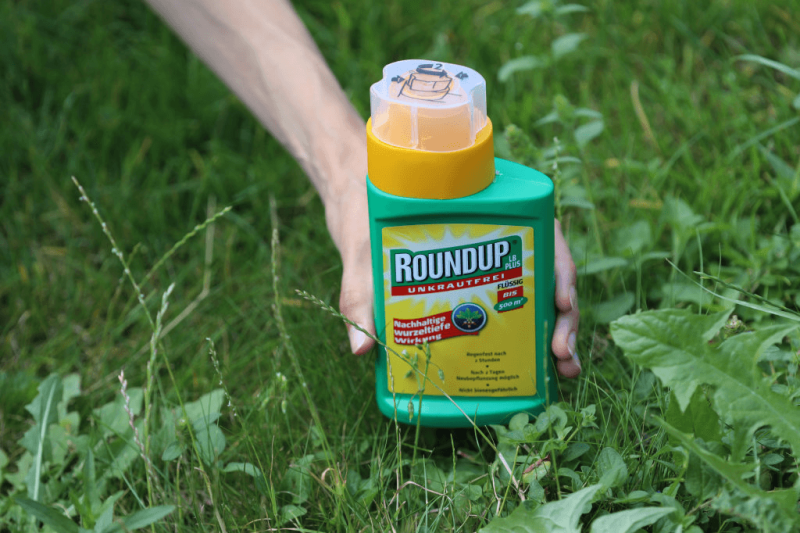
Glyphosate fact check: Micro-traces in food do not constitute a ‘dangerously high amount of weedkiller’

f d cb f e f c ad
Credit: Ccnull (CC BY ND 2.0)

In an April 25 Facebook reel, a man holds a bag of Goldfish crackers and says they “contain a dangerously high amount of weed killer which has been directly linked to cancer,” adding that the chemical is called glyphosate. He pointed to information from two advocacy groups, which he called scientific organizations — the Public Interest Research Group and Environmental Working Group — as proof.

Mis- and disinformation are distorting science and public policy. Subscribe to our Daily and Weekly Digests for incisive coverage of ‘disruptive’ innovations in AI, agricultural biotechnology, food, chemicals, nuclear energy, vaccines, and other disruptive innovations.

The environmental advocacy organization Environmental Working Group “is not neutral on the issue,” NBC News reported in 2018. “It actively campaigns against glyphosate,” and some of its research about glyphosate in food products was not published in peer-reviewed journals.

…
It’s very unlikely that a person could ever consume enough glyphosate via trace amounts in food to pose a health threat. FactCheck.org wrote in August 2017 that based on the European Food Safety Authority’s glyphosate suggested limit of 0.5 mg/kg of body weight, a 175-pound person would have to consume more than 1,270 servings of Cheerios in a day to exceed the safety limit.


This is an excerpt. Read the original post here

Related Articles

Infographic: Global regulatory and health research agencies on whether glyphosate causes cancer

Infographic: Global regulatory and health research agencies on whether glyphosate causes cancer

Does glyphosate—the world's most heavily-used herbicide—pose serious harm to humans? Is it carcinogenic? Those issues are of both legal and ...

Most Popular

ChatGPT-Image-Mar-10-2026-01_39_01-PM
Viewpoint—“Miracle molecule” debunked: Why acemannan supplements don’t work
Screenshot-2026-10-01-at-10.52.08-AM
Non-browning CRISPR gene-edited bananas move one step closer to British markets
AI-Force-Leadership-Portrait
Jay Clayton controversy: The divisive history of Trump’s newly-appointed AI czar
Screenshot-2026-09-22-at-10.54.12-AM
‘They misunderstand science’: Research attempting to tie autism to changes in the gut microbiome comes under fire
Elderly-Speaker-at-MAHA-Institute
At anti-vaccine MAHA conference, RFK Jr. pledges to unify federal health information and combat vaccine safety ‘misinformation’
ChatGPT-Image-Sep-21-2026-11_21_39-AM
Viewpoint: Food cults: Online ‘nutrition communities’ can pose unique dangers
Screenshot-2026-09-28-at-11.26.17-AM
Viewpoint: Wellness movement activists reposition nicotine from a killer addictive drug into a cure-all for brain ills
Screenshot 2026-10-01 at 12.30
Combating ‘narrative distortion’: Will pharma companies step up to challenge health misinformation?
ChatGPT-Image-Sep-10-2026-10_36_07-AM
Viewpoint: Even lousy scientific articles can shield authors when they hype dubious health claims and products
ChatGPT-Image-Sep-21-2026-03_15_09-PM
Viewpoint: Chipotle-inspired lesson: 10,000 sick customers suggest that processed foods can be safer than fresh ones
Screenshot-2026-10-01-at-11.21.27-AM
Vaccine hesitancy, like malaria, surges globally, topping 35% in some countries
generated-1790707585414
Facts & Fallacies podcast: America's health care system is broken. A doctor explains how to fix it
glp menu logo outlined

Get news on human & agricultural genetics and biotechnology delivered to your inbox.