Here’s why much-maligned glyphosate and herbicide-resistant crops are critical to sustainable farming

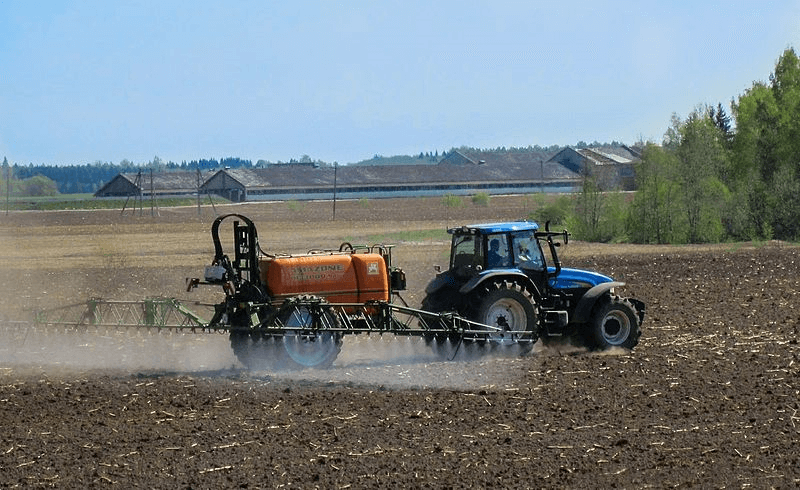
Credit: Maasaak via  CC-BY-SA-4.0
Credit: Maasaak via CC-BY-SA-4.0

A newly publicized study by researchers with the University of Saskatchewan confirms what many farmers already knew.

Glyphosate, one of the world’s most widely used herbicides, and crops that are genetically modified to tolerate the herbicide have contributed to better soil management through reduced tillage.

The researchers with the university’s agricultural and resource economics department set out to quantify the net increases in carbon sequestration due to the virtual elimination of summerfallow practices, reductions in tillage and the use of herbicide-tolerant crops over three decades. Based on a 1,000-hectare farm, it equates with the emissions from 432 cars.

Follow the latest news and policy debates on sustainable agriculture, biomedicine, and other ‘disruptive’ innovations. Subscribe to our newsletter.

The research appears focused on creating a more positive aura around the herbicide, which is in some campaigners’ eyes symbolic of everything bad about modern agriculture. Some blame it for cancer. Some buyers refuse to buy grains treated with it pre-harvest for fear of residues, and some jurisdictions are moving to restrict or ban its use altogether.

“Countries that ban genetically modified crops and are enacting legislation restricting glyphosate use are implementing policies that Canadian farm evidence indicates will not contribute to increasing agricultural sustainability,” they write.


This is an excerpt. Read the original post here

{{ reviewsTotal }}{{ options.labels.singularReviewCountLabel }}
{{ reviewsTotal }}{{ options.labels.pluralReviewCountLabel }}
{{ options.labels.newReviewButton }}
{{ userData.canReview.message }}

Related Articles

Infographic: Global regulatory and health research agencies on whether glyphosate causes cancer

Infographic: Global regulatory and health research agencies on whether glyphosate causes cancer

Does glyphosate—the world's most heavily-used herbicide—pose serious harm to humans? Is it carcinogenic? Those issues are of both legal and ...

Most Popular

Screenshot-2026-04-22-at-12.21.32-PM
Viewpoint: Why the retracted Monsanto glyphosate study doesn’t change the science—the world’s most popular herbicide is safe 
Picture1
The FDA couldn’t find a vaccine safety crisis, so it buried its own research
ChatGPT-Image-May-1-2026-11_42_59-AM-2
Viewpoint: NAD is the wellness grifters latest evidence-lite longevity fad. At least the mice are impressed.
ChatGPT-Image-Apr-16-2026-02_56_53-PM
Financial incentives, over diagnosis, and weak oversight: Autism claims are driving up Medicare costs
global warming
‘Implausible’: Top climate scientists reject worst-case scenario—soaring temperatures and fast-rising sea levels
ChatGPT-Image-May-12-2026-11_27_01-AM-2
AI likely to improve health care, research shows—but not for blacks and ethnic minorities
ChatGPT-Image-May-7-2026-01_23_27-PM-2
Viewpoint: Will AI democratize personalized cancer treatment or fuel medical misinformation?
vax-misinformation-main
Facts & Fallacies Podcast: Limit free speech to blunt social media misinfo?

Sorry. No data so far.

glp menu logo outlined

Get news on human & agricultural genetics and biotechnology delivered to your inbox.