Making a new person from skin or blood cells — but no egg and sperm?’ Scientists debate ethics of ‘synthetic human reproduction’

‘Making a new person from skin or blood cells’ but no egg and sperm?’ Scientists debate ethics of ‘synthetic human reproduction
Credit: Pixabay/ videomediaart

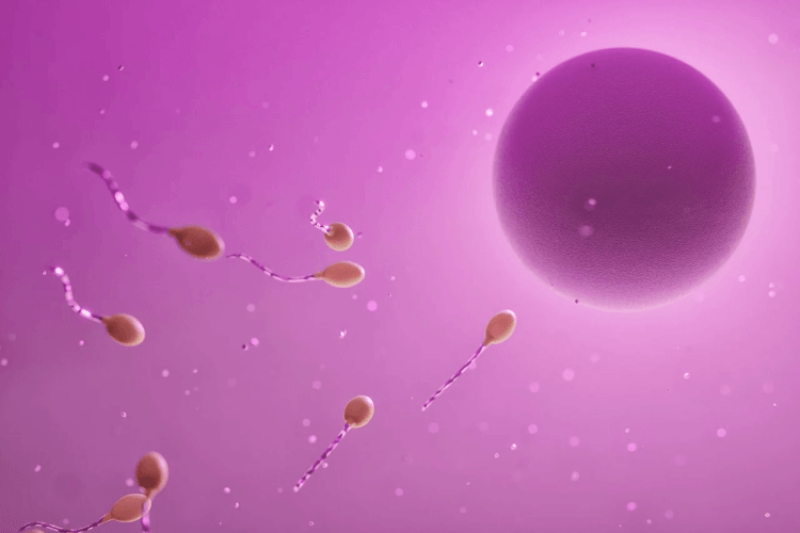
Scientists are getting closer to the possibility of making a new person from skin or blood cells – without the need for sex.

This approach goes well beyond in vitro fertilization, which combines egg and sperm in a laboratory, because it doesn’t require natural eggs or sperm.

Called in vitro gametogenesis, or IVG, it promises to someday provide a cure for many types of infertility, to slow or even turn off biological clocks, and to enable the kind of embryo selection that sends chills up many spines.

Follow the latest news and policy debates on sustainable agriculture, biomedicine, and other ‘disruptive’ innovations. Subscribe to our newsletter.

The technology for making babies from cells other than eggs and sperm still remains a decade away or more.

But now – before the science turns possibility into reality – is a good time for the public to consider the implications of IVG, said I. Glenn Cohen, an expert on the intersection of law and bioethics at Harvard Law School.

“There’s certainly a lot of publications and a lot of interest in the scientific community, and it’s great that we’re introducing it to a larger community,” Cohen said after the first day’s presentations. “If people have serious ethical concerns, this is the time to spell them out.”


This is an excerpt. Read the full article here

{{ reviewsTotal }}{{ options.labels.singularReviewCountLabel }}
{{ reviewsTotal }}{{ options.labels.pluralReviewCountLabel }}
{{ options.labels.newReviewButton }}
{{ userData.canReview.message }}

Related Articles

Infographic: Global regulatory and health research agencies on whether glyphosate causes cancer

Infographic: Global regulatory and health research agencies on whether glyphosate causes cancer

Does glyphosate—the world's most heavily-used herbicide—pose serious harm to humans? Is it carcinogenic? Those issues are of both legal and ...

Most Popular

ChatGPT-Image-Jun-25-2026-12_23_17-PM
No, Bill Gates did not secretly engineer ticks to promote veganism
ChatGPT-Image-Mar-10-2026-01_39_01-PM
Viewpoint—“Miracle molecule” debunked: Why acemannan supplements don’t work
ChatGPT-Image-Jun-23-2026-03_12_23-PM
Is cellular reprogramming junk science? Nearly 20 patients are getting eye injections in the first FDA-cleared cellular trial
Screenshot-2026-06-05-at-2.12.30-PM
Some plants can poison you. So how did humans figure out what is safe to eat?
ChatGPT-Image-May-18-2026-12_06_18-PM-2
Defying death: The immortality movement goes mainstream

Sorry. No data so far.

glp menu logo outlined

Get news on human & agricultural genetics and biotechnology delivered to your inbox.