Untapped renewable energy: Roasting cast-off pistachio shells

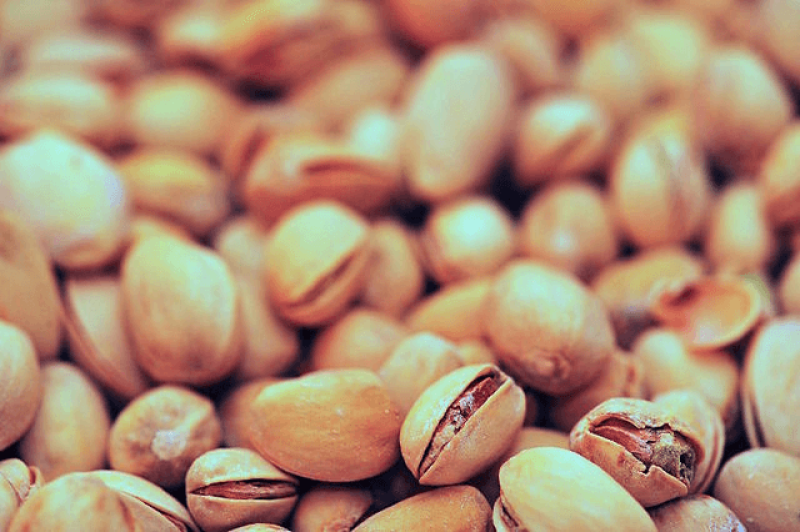
Credit: Madmaxmarchhare via CC-BY-SA-3.0

Pistachios, a popular snack worldwide, generate a substantial amount of waste in the form of hard shells. Typically, these shells are discarded or used as mulch, but scientists have discovered a more valuable use for them. Through a process known as pyrolysis, these shells can be transformed into a biofuel that can potentially replace traditional fossil fuels.

Pyrolysis is a chemical process that involves heating organic materials in the absence of oxygen. This process breaks down the complex organic molecules into simpler ones, producing a mixture of gases, liquids, and solids. The liquid produced, known as bio-oil, can be further refined and used as a fuel source. In the case of pistachio shells, the high lignin content makes them an ideal candidate for pyrolysis, resulting in a high yield of bio-oil.

Mis- and disinformation are distorting science and public policy. Subscribe to our Daily and Weekly Digests for incisive coverage of ‘disruptive’ innovations in AI, agricultural biotechnology, food, chemicals, nuclear energy, vaccines, and other disruptive innovations.

The potential benefits of this technological breakthrough are immense. Firstly, it provides a sustainable and renewable source of energy, reducing our reliance on fossil fuels, which are not only finite but also contribute significantly to global warming. Secondly, it offers a solution to the problem of agricultural waste disposal. Instead of discarding the pistachio shells or using them as mulch, they can be collected and converted into biofuel, adding value to what was once considered waste.
This is an excerpt. Read the original post here

Related Articles

Infographic: Global regulatory and health research agencies on whether glyphosate causes cancer

Infographic: Global regulatory and health research agencies on whether glyphosate causes cancer

Does glyphosate—the world's most heavily-used herbicide—pose serious harm to humans? Is it carcinogenic? Those issues are of both legal and ...

Most Popular

ChatGPT-Image-Mar-10-2026-01_39_01-PM
Viewpoint—“Miracle molecule” debunked: Why acemannan supplements don’t work
psychedelics ptsd neurosciencnews public
Chaos or at peace with the world: The complex ways psychedelics transform the brain
Diet Soda with Measuring Tape 2
Science challenges anti-soda activists: No, sodas won’t make you fat
Rustic Skillet of Raw Brains
‘Weird food’? Testicle- and brain-eating, supplement-gulping MAHA health food enthusiasts defend their ‘natural’ diets
Strawberry Clamshell with Warning Sticker
Viewpoint: Activists hype ‘dangerous level’ of pesticide residues in Driscoll berries: Separating health concerns from fear-mongering
Silhouettes Beneath the Mosquito Nets
Guinea-Bissau halts widely condemned RFK Jr.-backed vaccine trial that would have withheld life-saving vaccines from thousands of newborns
Screenshot 2026-10-16 at 5.38
PFAS in Agriculture: Science, Uncertainty, and Risk Communication
glp menu logo outlined

Get news on human & agricultural genetics and biotechnology delivered to your inbox.