Brain-computer implants restore some speaking ability to paralyzed patients

electronics g
Credit: MDPI
[Pat] Bennett has amyotrophic lateral sclerosis (ALS), a degenerative disease that has disabled the nerve cells controlling her vocal and facial muscles. As a result, her attempts to speak sound like a series of grunts.

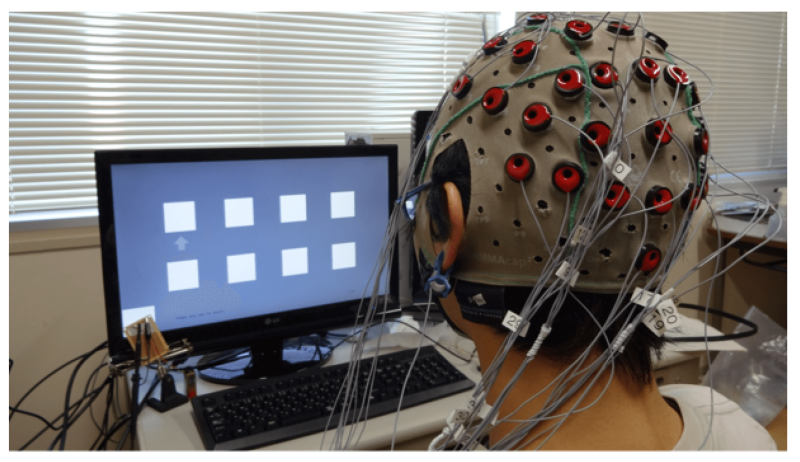
But in a lab at Stanford University, an experimental brain-computer interface is able to transform Bennett’s thoughts into easily intelligible sentences, like, “I am thirsty,” and “bring my glasses here.”

The systemย is one of two described in the journalย Natureย that use a direct connection to the brain to restore speech to a person who has lost that ability. One of the systems even simulates the user’s own voice and offers a talking avatar on a computer screen.

Right now, the systems only work in the lab, and require wires that pass through the skull. But wireless, consumer-friendly versions are on the way, says Dr.ย Jaimie Henderson, a professor of neurosurgery at Stanford University whose lab created the system used by Bennett.

Follow the latest news and policy debates on sustainable agriculture, biomedicine, and other ‘disruptive’ innovations. Subscribe to our newsletter.

Even so, the system is still an imperfect solution for Bennett.

“She’s able to do a very good job with it over short stretches,” [Dr.ย Jaimie Henderson, a professor of neurosurgery at Stanford University ] says. “But eventually there are errors that creep in.”


This is an excerpt. Read the full article here

{{ reviewsTotal }}{{ options.labels.singularReviewCountLabel }}
{{ reviewsTotal }}{{ options.labels.pluralReviewCountLabel }}
{{ options.labels.newReviewButton }}
{{ userData.canReview.message }}

Related Articles

Infographic: Global regulatory and health research agencies on whether glyphosate causes cancer

Infographic: Global regulatory and health research agencies on whether glyphosate causes cancer

Does glyphosateโ€”the world's most heavily-used herbicideโ€”pose serious harm to humans? Is it carcinogenic? Those issues are of both legal and ...

Most Popular

Screenshot-2026-04-20-at-2.26.27-PM
Viewpoint โ€” Food-fear world: The latest activist scientists campaign: Cancer-causing additives
Screenshot-2026-03-13-at-12.14.04-PM
The FDA wants to make many popular prescription drugs OTCโ€”a great idea. Hereโ€™s why itโ€™s unlikely to happen
Screenshot-2026-05-04-at-12.54.32-PM
How Utah became the countryโ€™s supplement capitalย  โ€” and a haven for unregulated, ineffective and fake products
Screenshot-2026-04-30-at-2.19.37-PM
5 myths about summer dehydration that could damage your health โ€” or even kill you
Screenshot-2026-05-01-at-11.56.24-AM
โ€˜Science moves forward when people are willing to think differentlyโ€™: Memories of DNA maverick Craig Venter
Screenshot-2026-04-03-at-11.15.51-AM
Paraben panic: How a flawed study, media hype, and chemophobia convinced the public of the danger of one of the safest classes of preservatives
Screenshot-PM-24
Viewpoint: The herbicide glyphosate isnโ€™t perfect. Banning it would be far worse.
ChatGPT-Image-May-1-2026-02_20_13-PM
How RFK, Jr.โ€™s false vaccine claims are holding up $600 million to fight diseases in poor countries
ChatGPT-Image-Mar-27-2026-11_27_05-AM
The myths of โ€œprocessโ€: What science says about the โ€œdangersโ€™ of synthetic products and ultra-processed foods
viva-la-vida-watermelons
Misinformation and climate change are endangering summer watermelons
glp menu logo outlined

Get news on human & agricultural genetics and biotechnology delivered to your inbox.