Antidepressants vs. running: Which works better to fight depression?

Antidepressants vs. running: Which works better?
Credit: Unsplash/ Sweet Life Diabetes

Exercise has been dubbed “nature’s antidepressant” by doctors for years, and now a new study confirms the notion.

The finding follows a four-month look at the impact that running had on anxiety and depression when compared to a common antidepressant.

Follow the latest news and policy debates on sustainable agriculture, biomedicine, and other ‘disruptive’ innovations. Subscribe to our newsletter.
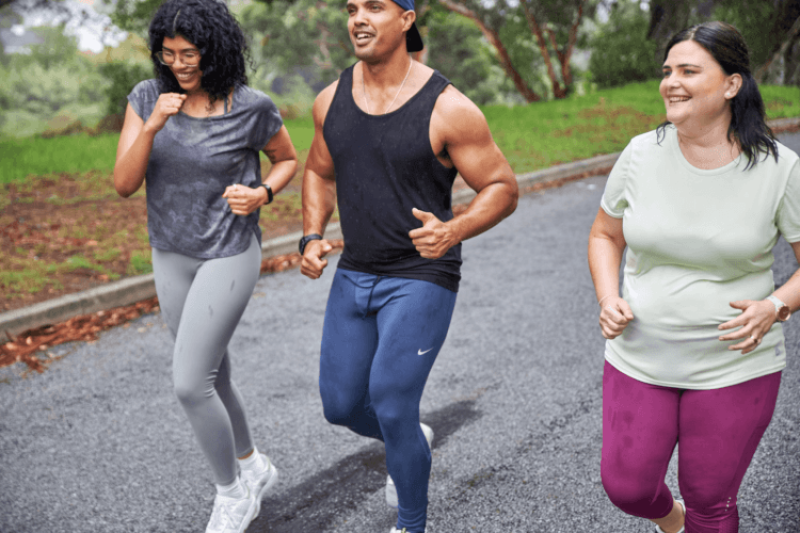
[A]mong 140 depression patients, those who engaged in regular group running — meaning two or three 45-minute runs each week — actually saw their depression levels drop a bit more than those who took the popular SSRI medication escitalopram (Lexapro).

And those who treated their depression with exercise reaped an added reward, with improvements seen in their physical health as well.

That group, said study author Brenda Penninx, also “lost weight, improved fitness and reduced heart rate and blood pressure.” The medication group did not see those benefits.

There was one downside seen in the running group: The likelihood that a running patient stuck with the full exercise program was considerably lower than it was for patients who chose escitalopram. Somewhere between 52% and 58% of runners maintained their running routine throughout the study period, compared with 82% to 85% adherence in the medication group.


{{ reviewsTotal }}{{ options.labels.singularReviewCountLabel }}
{{ reviewsTotal }}{{ options.labels.pluralReviewCountLabel }}
{{ options.labels.noReviewsLabel }}
{{ options.labels.newReviewButton }}
{{ userData.canReview.message }}

Related Articles

Infographic: Global regulatory and health research agencies on whether glyphosate causes cancer

Infographic: Global regulatory and health research agencies on whether glyphosate causes cancer

Does glyphosate—the world's most heavily-used herbicide—pose serious harm to humans? Is it carcinogenic? Those issues are of both legal and ...

Most Popular

ChatGPT-Image-Jun-25-2026-02_53_56-PM
Embryo gene editing is on the horizon, stirring mixed emotions
ChatGPT-Image-Mar-10-2026-01_39_01-PM
Viewpoint—“Miracle molecule” debunked: Why acemannan supplements don’t work
Screenshot-2026-07-01-at-2.49.48-PM
Dr. TikTok and male fertility: Viral claims tout GLP-1 drugs as fertility boosters. What does the science say?
ChatGPT-Image-Jul-6-2026-02_25_26-PM
40 million Americans take glucosamine. If you have memory loss, it could accelerate cognitive decline.
a-mature-farmer-working-in-the-field-at-sunrise-harvesting-crops-generated-by-ai-photo
What’s the prospect of developing gene-altered crops that are more nutritious and resist climate disruption
png-upside-food-syn-bio-cultured-meat
Regulating cultured meat around the world
Screenshot-2026-07-21-at-6.22.06-PM
The Indian physician’s one-woman battle against health disinformation on Wikipedia
YearReview Grift
Viewpoint: A practical guide to evaluating social media wellness hype
reverse-aging
Rapamycin: Here’s the skinny on the anti-aging pill that increases the lifespan—of mice by 10%
file-f-d-d-
Facts & Fallacies Podcast: Europe's AC debacle underscores fatal flaw in green activism
ChatGPT-Image-Jun-17-2026-03_29_08-PM
Viewpoint: What’s the impact of the U.S. abandoning support for global health?
organic scaled
Facts & Fallacies podcast: Organic food cuts pesticide exposure? A response to Dr. Rhonda Patrick
glp menu logo outlined

Get news on human & agricultural genetics and biotechnology delivered to your inbox.