AI drug development breakthroughs open up possibility of faster, cheaper pharmaceutical production. Do these medications work?

e a d b
Credit: Flickr (Public Domain)

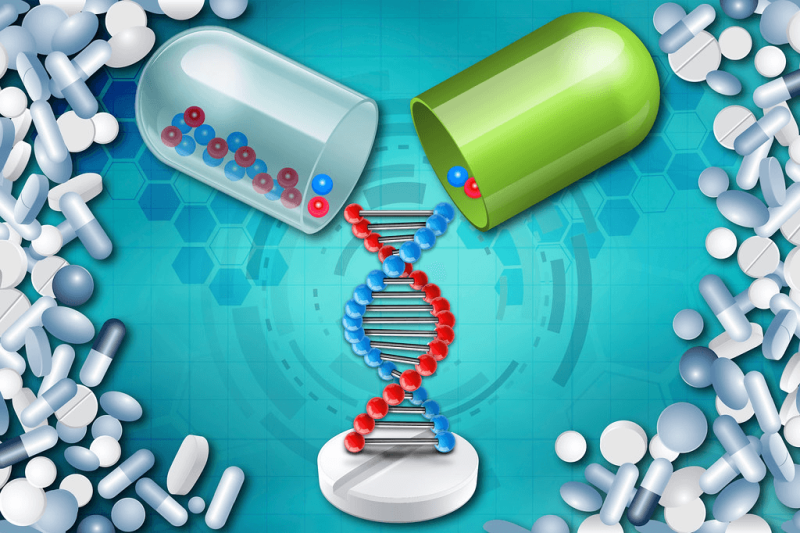
Today, on average, it takes more than 10 years and billions of dollars to develop a new drug. The vision is to use AI to make drug discovery faster and cheaper. By predicting how potential drugs might behave in the body and discarding dead-end compounds before they leave the computer, machine-learning models can cut down on the need for painstaking lab work.

And there is always a need for new drugs, says Adityo Prakash, CEO of the California-based drug company Verseon: “There are still too many diseases we can’t treat or can only treat with three-mile-long lists of side effects.”

Now, new labs are being built around the world. Last year Exscientia opened a new research center in Vienna; in February, Insilico Medicine, a drug discovery firm based in Hong Kong, opened a large new lab in Abu Dhabi. All told, around two dozen drugs (and counting) that were developed with the assistance of AI are now in or entering clinical trials.

Follow the latest news and policy debates on sustainable agriculture, biomedicine, and other ‘disruptive’ innovations. Subscribe to our newsletter.

We’re seeing this uptick in activity and investment because increasing automation in the pharmaceutical industry has started to produce enough chemical and biological data to train good machine-learning models, explains Sean McClain, founder and CEO of Absci, a firm based in Vancouver, Washington, that uses AI to search through billions of potential drug designs. “Now is the time,” McClain says. “We’re going to see huge transformation in this industry over the next five years.”


This is an excerpt. Read the original post here

{{ reviewsTotal }}{{ options.labels.singularReviewCountLabel }}
{{ reviewsTotal }}{{ options.labels.pluralReviewCountLabel }}
{{ options.labels.newReviewButton }}
{{ userData.canReview.message }}

Related Articles

Infographic: Global regulatory and health research agencies on whether glyphosate causes cancer

Infographic: Global regulatory and health research agencies on whether glyphosate causes cancer

Does glyphosate—the world's most heavily-used herbicide—pose serious harm to humans? Is it carcinogenic? Those issues are of both legal and ...

Most Popular

Screenshot-2026-04-13-at-3.54.04-PM
AI disinformation stress test: Challenges and response strategies
ChatGPT-Image-Feb-16-2026-01_04_32-PM
Raw milk myth wake-up call
ChatGPT-Image-Apr-23-2026-09_20_20-PM
Kennedy’s CDC blocks publication of study that shows vaccines reduce hospitalizations by 50%, then misrepresents why
ChatGPT-Image-Apr-20-2026-11_17_18-AM-2
10,000 scientists gone: Trump’s cuts create an unprecedented brain drain
Screenshot-2026-04-21-at-12.05.38-PM
MAHA’s special protein-focused formula for skin care: Beef tallow and salmon sperm. How could they be wrong?
Screenshot-2026-04-12-135256
Bixonimania: The fake disease scam that AI swallowed whole
Rod Curtis
In Zimbabwe, an almost-deadly collision between fake news and a real virus
images
The never-ending GMO debate: Pros and cons
Screenshot-2026-04-22-at-1.14.34-PM
Latest fevered, right-wing conspiracy: Fox, New York Post, and kooky GOP legislators push ‘Dead Scientists’ scare
ChatGPT-Image-Apr-23-2026-10_27_42-AM
Viewpoint: ‘Make America Pregnant Again’ — Trump guts support for birth control to placate the right’s birth obsession

Sorry. No data so far.

glp menu logo outlined

Get news on human & agricultural genetics and biotechnology delivered to your inbox.