Viewpoint: Nigeria may be running out of farmable land. Is there a biotech-based solution?

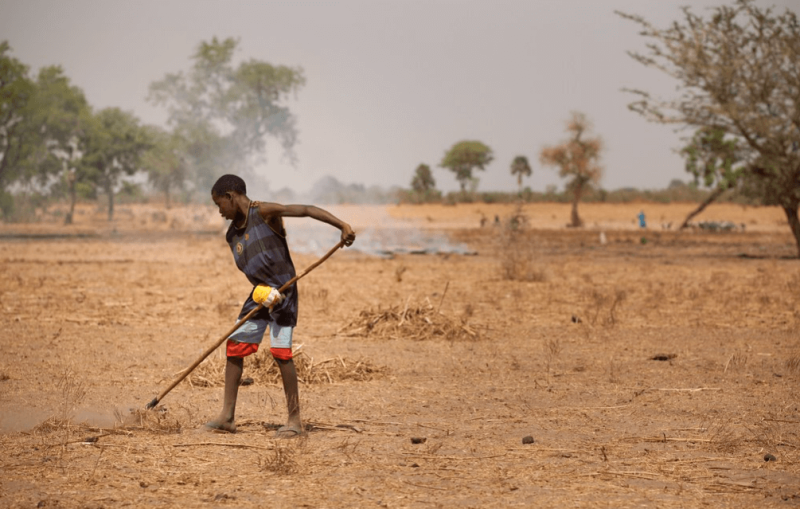
Land scarcity and degradation is a huge issue in the West African region. Credit: IFPRI and Milo Mitchell via CC-BY-NC-ND-2.0

It is probable that Nigeria would experience a scarcity of cultivable land and a notable reduction in the nitrogen levels in the soil. As a result, food shortages may occur if sufficient food cannot be grown to satisfy the country’s anticipated population growth in the near future. Agricultural productivity must be increased using contemporary technologies, such as biotechnology, in order to achieve this.

Biotechnological advantages can extend to a range of agricultural uses. Managing livestock, storing agricultural products, and maintaining current crop yields while utilizing fewer pesticides, herbicides, and fertilizers are a few of these.

Follow the latest news and policy debates on sustainable agriculture, biomedicine, and other ‘disruptive’ innovations. Subscribe to our newsletter.

Although there is a lot of promise for the agricultural sector in south-eastern Nigeria, it needs greater technological assistance from public and private organizations in order to grow.

The agricultural sector in the area has potential, but it also faces a number of obstacles, including limited access to modern farming equipment, a lack of professional expertise, and subpar storage and distribution networks. Due to these difficulties, farmers have seen low yields and low productivity, which has resulted in nationwide food scarcity.
Investing in agricultural biotechnology is the only viable solution to the nation’s hunger crisis. Agricultural output can undergo a substantial scale shift from small to large with the investment of biotech advances.


This is an excerpt. Read the original post here

{{ reviewsTotal }}{{ options.labels.singularReviewCountLabel }}
{{ reviewsTotal }}{{ options.labels.pluralReviewCountLabel }}
{{ options.labels.newReviewButton }}
{{ userData.canReview.message }}

Related Articles

Infographic: Global regulatory and health research agencies on whether glyphosate causes cancer

Infographic: Global regulatory and health research agencies on whether glyphosate causes cancer

Does glyphosate—the world's most heavily-used herbicide—pose serious harm to humans? Is it carcinogenic? Those issues are of both legal and ...

Most Popular

d-b
Blocked arteries, kidney stones, nausea, constipation, fatigue: Long list of health problems caused by too much vitamin D 
Screenshot-PM-24
Viewpoint: The herbicide glyphosate isn’t perfect. Banning it would be far worse.
79d03212-2508-45d0-b427-8e9743ff6432
Viewpoint: The Casey Means hustle—Wellness woo opportunism dressed up as medical wisdom
ChatGPT-Image-Mar-10-2026-01_39_01-PM
Viewpoint—“Miracle molecule” debunked: Why acemannan supplements don’t work
ChatGPT-Image-Mar-27-2026-11_27_05-AM
The myths of “process”: What science says about the “dangers’ of synthetic products and ultra-processed foods
ChatGPT-Image-Apr-30-2026-12_21_05-PM-2
The tech billionaires behind the immortality movement
ChatGPT-Image-Apr-30-2026-05_00_48-PM
Wellness grifter physician turned wellness influencer out as surgeon general nominee

Sorry. No data so far.

glp menu logo outlined

Get news on human & agricultural genetics and biotechnology delivered to your inbox.