Backward slide for malaria: 16 million more cases in 2022 than before the pandemic

Backward slide for malaria: 16 million more cases in 2022 than before the pandemic
Credit: Unsplash/ Lipso Kozerga

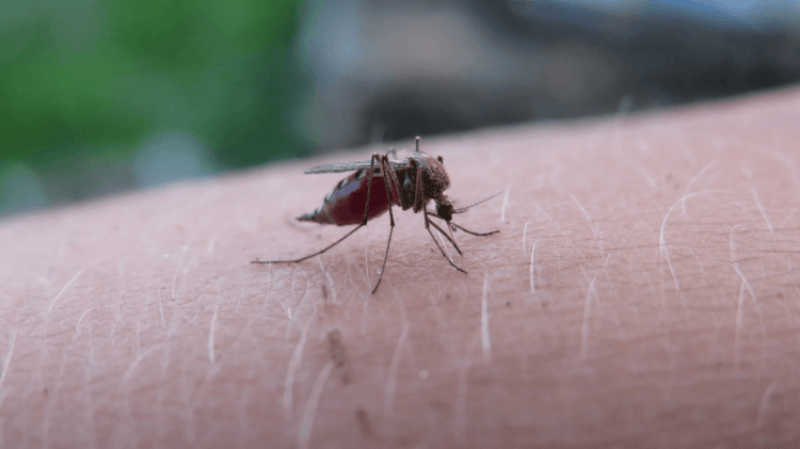
Despite expanding access to vaccines, medication, and insecticide-treated bed nets, malaria cases in 2022 exceeded the prepandemic level by 16 million cases, with several threatsโ€”including climate change and humanitarian crisesโ€”hampering progress, the World Health Organization (WHO) said [November 30] in its annual reportย on the disease.

Aside from COVID-19โ€“related disruptions to the malaria response, the battle against the disease faces a constellation of challenges, including drug and insecticide resistance, humanitarian emergencies, resource constraints, and the impacts of climate change. The WHO said the problems are especially acute in high-burden countries, several of them in Africa.

In a statement, WHO Director-General Tedros Adhanom Ghebreyesus, PhD, said, “The changing climate poses a substantial risk to progress against malaria, particularly in vulnerable regions. Sustainable and resilient malaria responses are needed now more than ever, coupled with urgent actions to slow the pace of global warming and reduce its effects.”


Follow the latest news and policy debates on sustainable agriculture, biomedicine, and other ‘disruptive’ innovations. Subscribe to our newsletter.
[The] report also lists some achievements, including the phased rollout of the RTS,S malaria vaccine in three African countries. The WHO said rigorous evaluation shows a substantial drop in severe malaria and a 13% decline in childhood deaths in all causes in areas where the vaccine was administered, compared to areas that didn’t receive it.

This is an excerpt. Read the full article here

{{ reviewsTotal }}{{ options.labels.singularReviewCountLabel }}
{{ reviewsTotal }}{{ options.labels.pluralReviewCountLabel }}
{{ options.labels.newReviewButton }}
{{ userData.canReview.message }}

Related Articles

Infographic: Global regulatory and health research agencies on whether glyphosate causes cancer

Infographic: Global regulatory and health research agencies on whether glyphosate causes cancer

Does glyphosateโ€”the world's most heavily-used herbicideโ€”pose serious harm to humans? Is it carcinogenic? Those issues are of both legal and ...

Most Popular

Screenshot-2026-04-22-at-12.21.32-PM
Viewpoint: Why the retracted Monsanto glyphosate study doesnโ€™t change the scienceโ€”the worldโ€™s most popular herbicide is safeย 
ChatGPT-Image-Apr-16-2026-02_56_53-PM
Financial incentives, over diagnosis, and weak oversight: Autism claims are driving up Medicare costs
Picture1
The FDA couldnโ€™t find a vaccine safety crisis, so it buried its own research
ChatGPT-Image-May-1-2026-11_42_59-AM-2
Viewpoint: NAD is the wellness grifters latest evidence-lite longevity fad. At least the mice are impressed.
global warming
โ€˜Implausibleโ€™: Top climate scientists reject worst-case scenarioโ€”soaring temperatures and fast-rising sea levels
Screenshot-2026-05-21-at-12.15.17-PM
UK gene-editing milestone: Livestock barley that increases ruminant value and reduces methane emissions is first-approved CRISPR crop
Screenshot-2026-05-21-at-3.15.53-PM
Chiropractors may no longer be modern-day snake oil salesmen, but the benefits of their therapy are limitedโ€“at best

Sorry. No data so far.

glp menu logo outlined

Get news on human & agricultural genetics and biotechnology delivered to your inbox.