‘Alcohol genes’? How much you drink may be influenced by your DNA

‘Alcohol genes’? How much you drink may be influenced by your DNA
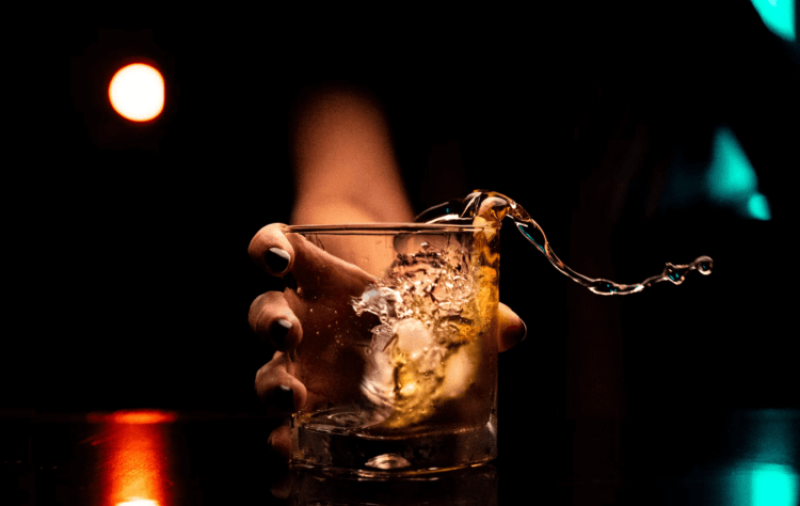
Credit: Unsplash/ Vinicius Amano

Research by Penn State University in the U.S. into genes with links to alcohol use has shown that how much you drink could be significantly influenced by your DNA.

When the study’s 3.4 million participants were asked how much they drank, the 10 per cent of people from a white European background with the highest genetic score linked to drinking put away more than seven drinks a week on average.

Mis- and disinformation are distorting science and public policy. Subscribe to our Daily and Weekly Digests for incisive coverage of ‘disruptive’ innovations in AI, agricultural biotechnology, food, chemicals, nuclear energy, vaccines, and other disruptive innovations.

[Professor Sir Munir Pirmohamed, of the University of Liverpool] explains: ‘Using the UK Biobank [a bank containing the genetic information of half a million people], we identified that people who drank more heavily tended to have particular variants in their genes — ADH1B being the most common.

‘Indeed, 50 per cent of the variance for Alcohol Use Disorder is explained by genetic factors. If you carry these variants — some people may carry one or two, some all six variants — it increases your risk of drinking more heavily.’

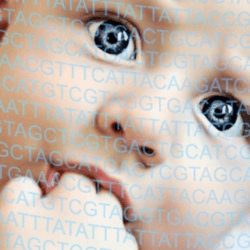
‘No gene by itself is necessary or sufficient to lead to alcohol dependency,’ he says. ‘Other factors in your lifestyle also play a part, such as family, life experience, social groups and even access to alcohol.’


This is an excerpt. Read the full article here

Related Articles

Infographic: Global regulatory and health research agencies on whether glyphosate causes cancer

Infographic: Global regulatory and health research agencies on whether glyphosate causes cancer

Does glyphosate—the world's most heavily-used herbicide—pose serious harm to humans? Is it carcinogenic? Those issues are of both legal and ...

Most Popular

ChatGPT-Image-Sep-17-2026-12_28_43-PM
Vitamin D, omega-3 fish oil and glucosamine supplements could cause brain damage 
ChatGPT-Image-Mar-10-2026-01_39_01-PM
Viewpoint—“Miracle molecule” debunked: Why acemannan supplements don’t work
ChatGPT-Image-Sep-17-2026-10_17_15-AM
Viewpoint: Why are the less intelligent more likely to be conservative—and smarter people more socially liberal?
Screenshot-2026-09-10-at-12.20.19-PM
'Jet fuel didn't melt the steel': 9/11 conspiracy theories debunked
Screenshot-2026-09-16-at-12.07.47-PM
The heated debate over trans athletes in the WNBA
Screenshot-2026-08-12-at-11.31.46-AM
AI is helping develop new vaccines
ChatGPT-Image-Sep-9-2026-02_48_24-PM
Viewpoint: Trump-RFK Jr. report on “Gender Ideology & Left-wing Ideology’ targets LGBTQ community—and science
ChatGPT-Image-Sep-15-2026-12_15_00-PM
Viewpoint: Women, depression and empathy: Explaining the gender gap in views about child-murderer Lindsay Clancy
Screenshot-2026-09-17-at-10.24.54-AM
Viewpoint: Dubious environmental fears: Why the AI buildout is critical to America’s ecological future
Screenshot-2026-09-11-at-2.26.23-PM
Newly approved GMO chestnut trees planted across from the White House are stirring debate
Screenshot 2026-09-11 at 12.39
Child-monitoring apps: When the cure is worse than the harm—and how the technology could be tweaked
ChatGPT-Image-Sep-15-2026-11_36_23-AM
Doomsday cult? Why we should be suspicious of end-of-the-world claims
glp menu logo outlined

Get news on human & agricultural genetics and biotechnology delivered to your inbox.