Science of suggestion: Why are some people more susceptible to hypnosis than others?

Hypnotism science: Why some people are more susceptible to hypnosis than others?
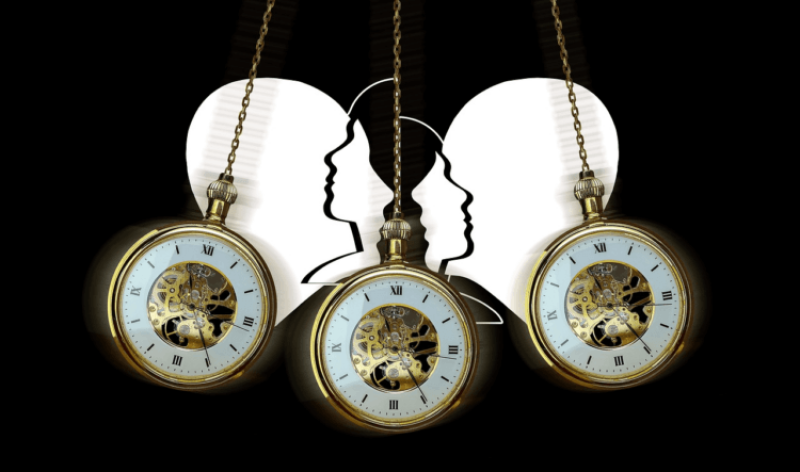
Credit: Pixabay/ Geralt

Today hypnotherapy is used to provide therapeutic remedy for depression, pain, substance use disorders, and certain traumas, uses that are supported to a certain extent by research evidence. But many still consider hypnosis more of a cheap magician’s trick than legitimate clinical medicine.

Perhaps this is because very few of us are easily hypnotized: Only about 10 percent of the population seems to respond well to it. Researchers and clinicians tend to use one of two scales to measure an individual’s susceptibility: the Stanford Hypnotic Susceptibility Scale, typically used on individuals, and the Harvard Group Scale, which is used on groups primarily to identify potential subjects for research.

Mis- and disinformation are distorting science and public policy. Subscribe to our Daily and Weekly Digests for incisive coverage of ‘disruptive’ innovations in AI, agricultural biotechnology, food, chemicals, nuclear energy, vaccines, and other disruptive innovations.

How hypnotizable a person is may have a genetic component, according to twin studies. And yet, concrete insights into what separates the hypnotizable from the rest of us are scarce. Research from the 1980s suggests a facility for becoming “absorbed” in a task, such as reading or a theater performance, might make a person more susceptible to hypnosis. Others have found a correlation between hypnotizability and one’s tendency toward dissociation, a mental process of disconnecting from one’s thoughts, feelings, and memories that can develop as a defense mechanism to trauma.

This is an excerpt. Read the full article here

Related Articles

Infographic: Global regulatory and health research agencies on whether glyphosate causes cancer

Infographic: Global regulatory and health research agencies on whether glyphosate causes cancer

Does glyphosate—the world's most heavily-used herbicide—pose serious harm to humans? Is it carcinogenic? Those issues are of both legal and ...

Most Popular

ChatGPT-Image-Mar-10-2026-01_39_01-PM
Viewpoint—“Miracle molecule” debunked: Why acemannan supplements don’t work
ChatGPT-Image-Sep-23-2026-02_36_39-PM
Viewpoint: After firing the entire National Science Board, Trump reshapes funding initiatives. Here’s the good and the bad.
generated-1790707585414
Facts & Fallacies podcast: America's health care system is broken. A doctor explains how to fix it
ChatGPT-Image-Sep-2-2026-02_03_32-PM
How much of a problem is AI’s water use?
Screenshot-2026-09-29-at-11.06.43-AM
Astrology, homeopathy, vaccine rejectionism, creationism: Why pseudoscience thrives as science advances
Screenshot-2026-09-17-at-1.07.08-PM
'We are dangerously addicted to antidepressants': Should we heed RFK Jr.’s sobering warning?
Screenshot-2026-09-25-at-9.24.04-AM
What constitutes a measles death? RFK, Jr. maneuvers to restrict definition to make pandemic seem less dire
ChatGPT-Image-Sep-22-2026-11_17_31-AM
The exploding controversy over AI’s built-in survival drive
Screenshot-2026-09-28-at-2.41.21-PM
Viewpoint: 7-OH controversy: An opioid is available over-the-counter–even at gas stations. Should we be concerned?
ChatGPT-Image-Sep-28-2026-11_51_41-AM
Energy-sucking data centers are unpopular across the political spectrum. Could moving them into space change the equation?
glp menu logo outlined

Get news on human & agricultural genetics and biotechnology delivered to your inbox.