

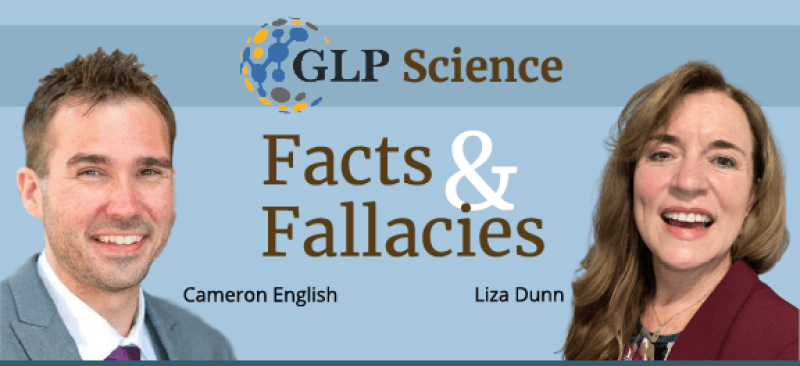
GLP podcast: Assessing the Cass report; Fetal genome surgery could treat disease during pregnancy; How ‘body-tracking data’ threatens privacy

Listen to GLP Science Facts & Fallacies on iTunes, Spotify, Podbean and YouTube Podcasts. Or add the RSS feed to your favorite podcast app. Join our GLP Daily Digest to get these stories and more delivered to your inbox.

updated v podcast home cameron and liza featured outlined
The recently released Cass report has intensified an already ferocious debate over gender-affirming care for children. What are the key takeaways from the controversial review? An emerging field of medicine known as fetal genome surgery could allow doctors to prevent serious genetic disorders before children are born.ย  Our health and ancestry data is increasingly tracked and shared today. Could governments and corporations use this sensitive information against us?

Podcast:


Join hosts Dr. Liza Dunn and GLP contributor Cameron English on episode 265 of Science Facts and Fallacies as they break down these latest news stories:

The recently released Cass report has raised some critical questions about so-called gender-affirming care for minors. Among its many findings, the 388-page review concluded that some of the effects of puberty blockers are not reversible; that gender incongruence among children is normal and doesn’t necessitate transitioning; and that sex reassignment does not reduce the risk of suicide in transgender children. How will the incendiary review impact the ongoing cultural debate over transgenderism?

Gene editing has already yielded groundbreaking therapies for conditions ranging from sickle cell disease to cancer. In the coming years, the same technology may allow physicians to prevent genetic disorders during pregnancy, long before they can cause harm later in life. Known as “fetal genome surgery,” this nascent field has generated lots of excitement among scientists. Can it live up to all the hype?
Follow the latest news and policy debates on sustainable agriculture, biomedicine, and other ‘disruptive’ innovations. Subscribe to our newsletter.

From calorie counting apps to digital medical records, body-tracking data can improve our quality of life in many ways. But every technology has potential downsides. In this case, access to personal health data can be abused by governments, big corporations and even hackers looking for a payday. Simply opting out of the use of body-tracking technologies was sufficient in years past to protect our privacy, though that’s increasingly difficult to do as biometric data becomes more commonly used, especially for security measures. Is it possible to protect ourselves in a world where widespread data sharing is the norm?

Dr. Liza Dunn is a medical toxicologist and the medical affairs lead at Bayer Crop Science. Follow her on X @DrLizaMD

Cameron J. English is the director of bio-sciences at the American Council on Science and Health. Visit his website and follow him on X @camjenglish
{{ reviewsTotal }}{{ options.labels.singularReviewCountLabel }}
{{ reviewsTotal }}{{ options.labels.pluralReviewCountLabel }}
{{ options.labels.newReviewButton }}
{{ userData.canReview.message }}
Infographic: Global regulatory and health research agencies on whether glyphosate causes cancer

Infographic: Global regulatory and health research agencies on whether glyphosate causes cancer

Does glyphosateโ€”the world's most heavily-used herbicideโ€”pose serious harm to humans? Is it carcinogenic? Those issues are of both legal and ...
glp menu logo outlined

Get news on human & agricultural genetics and biotechnology delivered to your inbox.








