Viewpoint: Designing the future — ChatGPT-directed biotech breakthroughs will help us fight disease, feed the planet, generate energy, and capture carbon

content embl
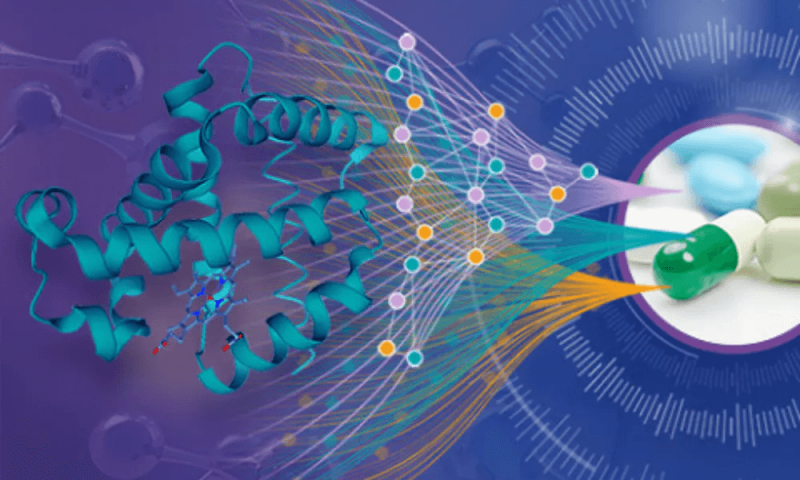
Credit: EMBL-EBI

Imagine a world where everything from plastics to concrete is produced from biomass. Personalized cell and gene therapies prevent pandemics and treat previously incurable genetic diseases. Meat is lab-grown; enhanced nutrient grains are climate-resistant. This is what the future could look like in the years ahead.

The next big game-changing revolution is in biology. It will allow us to more effectively fight disease, feed the planet, generate energy, and capture carbon. Already we’re on the cusp of these opportunities.

Follow the latest news and policy debates on sustainable agriculture, biomedicine, and other ‘disruptive’ innovations. Subscribe to our newsletter.

Just like OpenAI’s ChatGPT trains on human language input to come up with new text, AI models trained on biological sequences could design novel proteins, predict cancer growth, and create other useful consumables. In the future, AI will be able to help us run through millions of theoretical and actual biological experiments, more accurately predicting outcomes without arduous trial-and-error—vastly accelerating the rate of new discoveries.

We’re now on the verge of a “ChatGPT moment” in biology, with significant technological innovation and widespread adoption on the horizon. But how ready is America to do what it takes to bring it to fruition?


This is an excerpt. Read the original post here

{{ reviewsTotal }}{{ options.labels.singularReviewCountLabel }}
{{ reviewsTotal }}{{ options.labels.pluralReviewCountLabel }}
{{ options.labels.newReviewButton }}
{{ userData.canReview.message }}

Related Articles

Infographic: Global regulatory and health research agencies on whether glyphosate causes cancer

Infographic: Global regulatory and health research agencies on whether glyphosate causes cancer

Does glyphosate—the world's most heavily-used herbicide—pose serious harm to humans? Is it carcinogenic? Those issues are of both legal and ...

Most Popular

ChatGPT-Image-May-7-2026-12_16_37-PM-2
Viewpoint: Are cancer rates ‘skyrocketing’ as RFK, Jr. and MAHA claims? The evidence says mostly the opposite
Screenshot-2026-04-13-at-1.39.26-PM
Viewpoint: ‘Safer for children?’ Stonyfield yogurt under fire for deceptive organic marketing
Screenshot-2026-04-22-at-10.46.29-AM
Viewpoint: How to counter science disinformation? Science journalist offers 12 practical tips
png-pill-omega-Supp-fish-oil
Millions take omega-3 fish oil for brain health. New research suggests it may do the opposite.

Sorry. No data so far.

glp menu logo outlined

Get news on human & agricultural genetics and biotechnology delivered to your inbox.