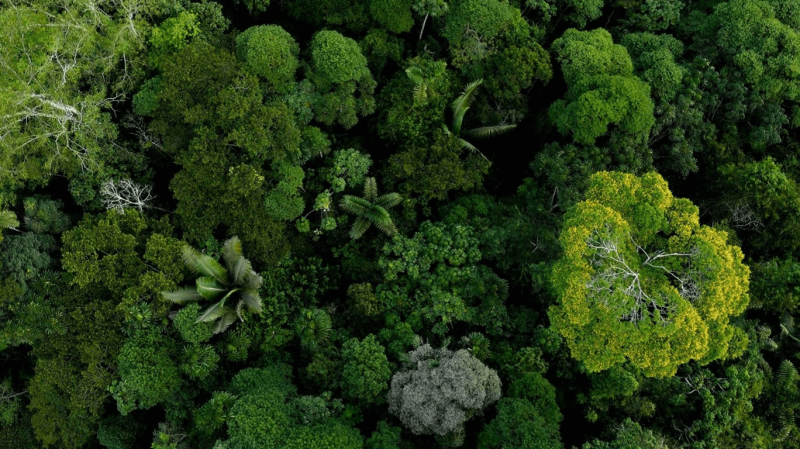
Viewpoint: Innovative Amazon basin companies are replacing cattle grazing land with new forests. Will their ‘green scheme’ help limit the impact of climate change?

imagick convert
[Re.green’s] aim, along with a handful of other companies, is to create a whole new industry that can make standing trees, which store planet-warming carbon, more lucrative than the world’s biggest driver of deforestation: cattle ranching.

It’s the holy grail of the forest economy. And now, it might be within reach.

Follow the latest news and policy debates on sustainable agriculture, biomedicine, and other ‘disruptive’ innovations. Subscribe to our newsletter.

Re.green plans to restore native trees in deforested areas and sell credits that correspond to the carbon they lock away. Those trees will be protected, not logged. Then, businesses will use those credits to offset their own greenhouse gases in emissions accounting.

The bet hinges on the success of a system that’s being built from scratch and comes with some big challenges. Measuring the carbon held in trees and soil is complex. And, many conservationists worry that carbon credits could easily be abused by companies that want to appear environmentally conscious while sticking with fossil fuels.
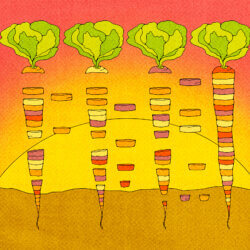
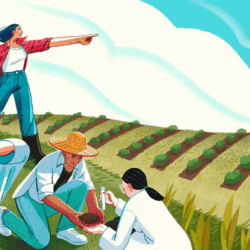
Still, reforestation projects have created a buzz in the northern Amazon, where companies are rushing to buy up big plots of land with restoration potential.

“You know that people who handle cattle don’t care much about this reforestation stuff,” said Anderson Pina Farias, a rancher whose farm is almost completely deforested. But, he added, “if selling carbon is better than ranching, we can change businesses.”


This is an excerpt. Read the original post here

{{ reviewsTotal }}{{ options.labels.singularReviewCountLabel }}
{{ reviewsTotal }}{{ options.labels.pluralReviewCountLabel }}
{{ options.labels.newReviewButton }}
{{ userData.canReview.message }}

Related Articles

Infographic: Global regulatory and health research agencies on whether glyphosate causes cancer

Infographic: Global regulatory and health research agencies on whether glyphosate causes cancer

Does glyphosate—the world's most heavily-used herbicide—pose serious harm to humans? Is it carcinogenic? Those issues are of both legal and ...

Most Popular

circular-bioeconomy-should-focus-on-sustainable-wellbeing
GLP podcast: What's wrong with 'doomsday' environmentalism? It's false.
Screenshot-PM-24
Viewpoint: The herbicide glyphosate isn’t perfect. Banning it would be far worse.
d-b
Blocked arteries, kidney stones, nausea, constipation, fatigue: Long list of health problems caused by too much vitamin D 
Screenshot 2026-02-25 at 11.20
Why the herbicide glyphosate is key to sustainable agriculture
ChatGPT-Image-Apr-28-2026-12_46_14-PM-2
Kennedy has quietly stopped touting problematic raw milk. Health concerns aren’t why
screen shot at pm
Word games: How Moderna is selling its newest vaccine without using the “v” word
ChatGPT-Image-Apr-22-2026-11_06_18-AM
Wellness influencer nonsense: No, nicotine does not boost cognition and productivity, but it can damage your health 
ChatGPT-Image-Feb-16-2026-01_57_31-PM
Viewpoint: ‘Science-as-Satan’ unites the MAHA—MAGA movements. Is a breakup in the works?
ChatGPT-Image-Feb-16-2026-01_04_32-PM
Raw milk myth wake-up call
glp menu logo outlined

Get news on human & agricultural genetics and biotechnology delivered to your inbox.