FDA issues study guide on how genetically engineered crops impact our world

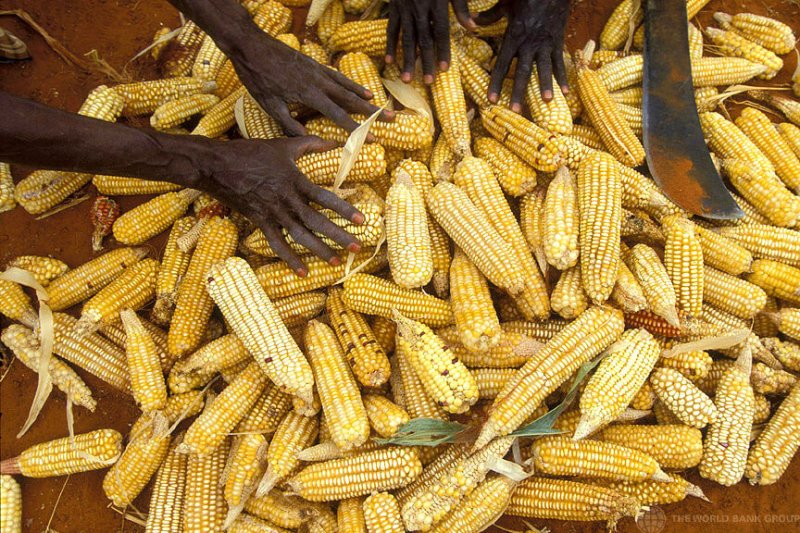
Credit: World Bank via Flickr
Many people wonder what impacts GMO crops have on our world. “GMO” (genetically modified organism) is the common term consumers and popular media use to describe a plant, animal, or microorganism that has had its genetic material (DNA) changed using technology that generally involves the specific modification of DNA, including the transfer of specific DNA from one organism to another. Scientists often refer to this process as genetic engineering. Since the first genetically engineered crops, or GMOs, for sale to consumers were planted in the 1990s, researchers have tracked their impacts on and off the farm.

Why do farmers use GMO crops?

Most of the GMO crops grown today were developed to help farmers prevent crop loss. The three most common traits found in GMO crops are:

  • Resistance to insect damage
  • Tolerance to herbicides
  • Resistance to plant viruses

For GMO crops that are resistant to insect damage, farmers can apply fewer spray pesticides to protect the crops. GMO crops that are tolerant to herbicides help farmers control weeds without damaging the crops. When farmers use these herbicide-tolerant crops they do not need to till the soil, which they normally do to get rid of weeds. This no-till planting helps to maintain soil health and lower fuel and labor use. Taken together, studies have shown positive economic and environmental impacts.

The GMO papaya, called the Rainbow papayaExternal Link Disclaimer, is an example of a GMO crop developed to be resistant to a virus. When the ringspot virus threatened the Hawaii papaya industry and the livelihoods of Hawaiian papaya farmers, plant scientists developed the ringspot virus-resistant Rainbow papaya. The Rainbow papaya was commercially planted in 1998, and today it is grown all over Hawaii and exported to Japan.

Learn more on Why Do Farmers in the U.S. Grow GMO Crops?

Follow the latest news and policy debates on sustainable agriculture, biomedicine, and other ‘disruptive’ innovations. Subscribe to our newsletter.

Do GMOs have impacts beyond the farm?

The most common GMO crops were developed to address the needs of farmers, but in turn they can help foods become more accessible and affordable for consumers. Some GMO crops were developed specifically to benefit consumers. For example, a GMO soybean that is used to create a healthier oil is commercially grown and available. GMO apples that do not brown when cut are now available for sale and may help reduce food waste. Plant scientists continue to develop GMO crops that they hope will benefit consumers.

Learn more about GMOs and the Environment.

Do GMOs have impacts outside the United States?

GMOs also impact the lives of farmers in other parts of the world. The U.S. Agency for International Development (USAID) is working with partner countries to use genetic engineering to improve staple crops, the basic foods that make up a large portion of people’s diets. For example, a GMO eggplant developed to be insect resistant has been slowly released to farmers in Bangladesh since 2014. Farmers who grow GMO eggplants are earning moreExternal Link Disclaimer and have less exposure to pesticides. USAID is also working with partner countries in Africa and elsewhere on several staple crops, such as virus-resistant cassavainsect-resistant cowpea, and blight-resistant potato.

Learn more about GMO Crops and Humanitarian Reasons for Development and GMOs Outside the U.S.

Read the original post here

Related Articles

Infographic: Global regulatory and health research agencies on whether glyphosate causes cancer

Infographic: Global regulatory and health research agencies on whether glyphosate causes cancer

Does glyphosate—the world's most heavily-used herbicide—pose serious harm to humans? Is it carcinogenic? Those issues are of both legal and ...

Most Popular

Picture1
Hiroshima at 81: America’s new nuclear bomb, a buried Iranian target, and a question no one wants to ask
ChatGPT-Image-Jul-31-2026-07_35_35-AM
Wikipedia has assembled an informative list of fake news websites from across the ideological spectrum
ChatGPT Image Jul 29, 2026, 09_08_15 AM 2
The retreat of environmental extremism: Why activist NGOs are losing favor
Screenshot-2026-07-31-at-10.10.55-AM
Viewpoint: ‘Misinformation' about the effects of offshore wind turbines on marine life could derail offshore wind farm projects 
ChatGPT Image Jul 29, 2026, 10_17_59 AM
Viewpoint: What does it mean when critics of conventional agriculture say many fruits and vegetables are “linked” to pesticide poisoning?
ChatGPT Image Jul 31, 2026, 08_05_37 AM
With trust in RFK, Jr.'s CDC vaccine advice collapsing, physicians scramble to fill the information gap
ChatGPT-Image-Mar-10-2026-01_39_01-PM
Viewpoint—“Miracle molecule” debunked: Why acemannan supplements don’t work
Screenshot-2026-07-31-at-9.37.42-AM
Obsessing about ultra-processed foods but ignoring what matters far more: A balanced diet
ChatGPT Image Jul 29, 2026, 06_26_01 PM 2
Facts & Fallacies podcast: Organic food myths make a comeback on Instagram, with Dr. Kevin Folta
leeteam
How Kennedy and his family could pocket millions from Merck’s $50 million vaccine injury settlement that he oversaw
ChatGPT-Image-Jul-10-2026-12_21_03-PM
Viewpoint: Is there new evidence that the animal deworming drug ivermectin decreases the risk of Covid and cancer? Don’t waste your money.
Screenshot-2026-07-09-at-1.09.25-PM
Anti-vaccine myths rattle health care
Screenshot-2026-07-30-at-3.07.42-PM
Controversy over WNBA star Sophie Cunningham’s comment opposing trans females in women’s sports reinvigorates the culture wars
ChatGPT-Image-Jul-10-2026-09_42_12-AM-1
Peptides, patient autonomy, and the limits of medical freedom
glp menu logo outlined

Get news on human & agricultural genetics and biotechnology delivered to your inbox.