Podcast:
Podcast: Play in new window | Download
Subscribe: RSS
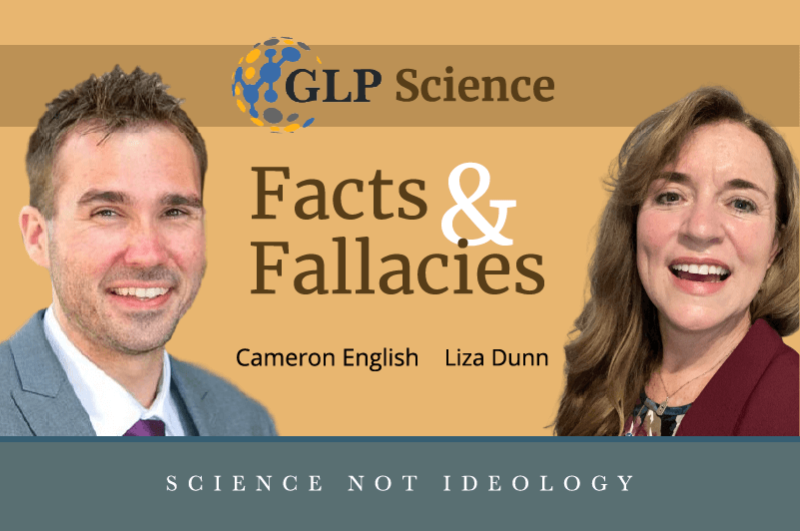
Join hosts Dr. Liza Dunn and GLP contributor Cameron English on episode 269 of Science Facts and Fallacies as they break down these latest news stories:
If you’re worried that glyphosate exposure will damage your sperm, take a deep breath. Recent alarmist headlines boosting a study linking the weedkiller to reproductive harm are completely baseless. Let’s take a closer look at the study that stirred the controversy.

We often hear horror stories about the negative influence of social media on children. A team of researchers in Norway, while not denying the often-harmful effects of Instagram and TikTok, says that the situation is far more complex. It turns out that many teenagers struggling with a variety of challenges find support from communities of people grappling with the same problems on social media. The simple takeaway: these websites and apps have positive and negative effects. Parents and other authority figures have an obligation to help teenagers in their care navigate the wild world of social media.
Meat can be part of a healthy, balanced diet; and the assertion that animal products cause cancer, diabetes or heart disease is based on shoddy science. A handful of health influencers and other celebrities have taken these conclusions to an extreme and endorsed the so-called “carnivore diet,” an eating regimen made up entirely of meat. Advocates claim that cutting out all other food groups and nutrients helps them effortlessly lose weight and treat everything from depression to epilepsy. What does the evidence say about this radical diet?
Dr. Liza Dunn is a medical toxicologist and the medical affairs lead at Bayer Crop Science. Follow her on X @DrLizaMD
Cameron J. English is the director of bio-sciences at the American Council on Science and Health. Visit his website and follow him on X @camjenglish