Edible insects, like ants, are considered a delicacy in many cultures, as well as being very nutritious and an environmentally sustainable source of protein. But many of us have a longstanding aversion to consuming insects. In hopes of changing that aversion, chemists at San Diego State University (SDSU) have analyzed the flavor profiles of different ant species and found that not all edible ants taste alike, according to their presentation at a meeting of the American Chemical Society in New Orleans.
“We are trying to explore the flavor profiles of different edible ants and to demonstrate how they have very unique flavor profiles instead of all tast[ing] like chicken,” said Changqi Liu, a food chemist at SDSU. “I think if you have tried these edible insects, you will find that they are actually very tasty. They actually can be a very pleasant thing to enjoy.”
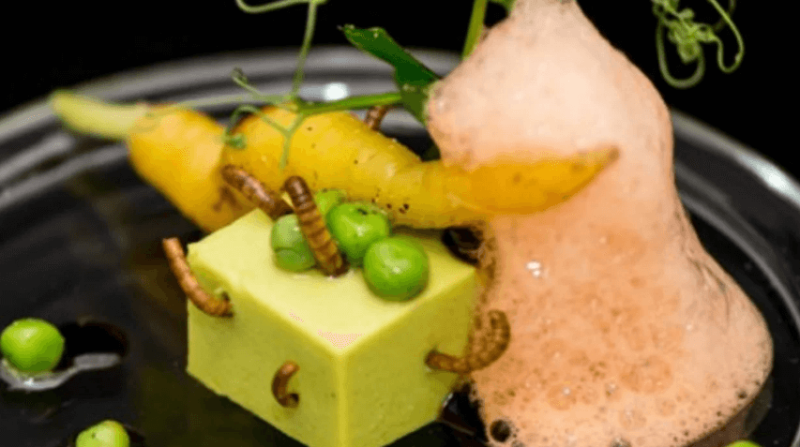
Several years ago, French chef David Faure created an insect-based tasting menu at Aphrodite, his Michelin-starred restaurant in Nice. Adventurous diners could sample “crickets in a whiskey bubble with cubes of French toast and pears” or “squares of peas, carrot foam, and mealworms.” The Michelin critics didn’t share his enthusiasm for insect haute cuisine and took away his Michelin star in 2014. Aphrodite closed its doors for good in 2016.

Faure’s gambit might have failed, but a 2018 study suggested that he had the right idea about appealing to Western diners’ love of luxurious indulgence, presenting the fare as an exotic delicacy rather than as an environmentally sustainable protein source.