Viewpoint: Is ‘Big Food’ downplaying risks of ultra-processed foods?

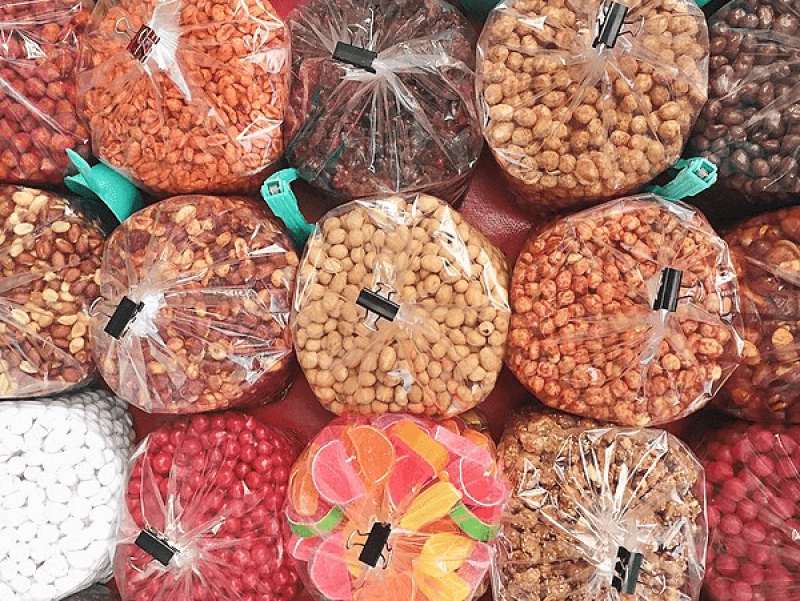
Credit: Jj saezdeo via CC-BY-SA-4.0

The rising concern about the health impact of [ultra-processed foods, or] UPFs has recast the debate around food and public health, giving rise to books, policy campaigns, and academic papers. It also presents the most concrete challenge yet to the business model of the food industry, for whom UPFs are extremely profitable.

The industry has responded with a ferocious campaign against regulation. In part it has used the same lobbying playbook as its fight against labeling and taxation of “junk food” high in calories: big spending to influence policymakers.

FT analysis of US lobbying data from non-profit Open Secrets found that food and soft drinks-related companies spent $106 million on lobbying in 2023, almost twice as much as the tobacco and alcohol industries combined. Last year’s spend was 21 percent higher than in 2020, with the increase driven largely by lobbying relating to food processing as well as sugar.

Follow the latest news and policy debates on sustainable agriculture, biomedicine, and other ‘disruptive’ innovations. Subscribe to our newsletter.

Scientists at the US government’s Agricultural Research Service led [a] study demonstrating it was possible to build a healthy diet with 91 per cent of the calories coming from UPFs. The authors had connections to the soy industry, sauces and flavouring company McCormick, and Atkins diet food owner Simply Good Foods.

Regulatory bodies also have some of these corporate links. A review of conflicts of interest in UK food regulation found that 9 of the 15 members of the government’s Scientific Advisory Committee on Nutrition had received funding from the UPF industry.


This is an excerpt. Read the original post here

{{ reviewsTotal }}{{ options.labels.singularReviewCountLabel }}
{{ reviewsTotal }}{{ options.labels.pluralReviewCountLabel }}
{{ options.labels.noReviewsLabel }}
{{ options.labels.newReviewButton }}
{{ userData.canReview.message }}

Related Articles

Infographic: Global regulatory and health research agencies on whether glyphosate causes cancer

Infographic: Global regulatory and health research agencies on whether glyphosate causes cancer

Does glyphosate—the world's most heavily-used herbicide—pose serious harm to humans? Is it carcinogenic? Those issues are of both legal and ...

Most Popular

Screenshot-2026-07-09-at-1.09.25-PM
Anti-vaccine myths rattle health care
ChatGPT-Image-Mar-10-2026-01_39_01-PM
Viewpoint—“Miracle molecule” debunked: Why acemannan supplements don’t work
Picture1
Hiroshima at 81: America’s new nuclear bomb, a buried Iranian target, and a question no one wants to ask
ChatGPT-Image-Jun-25-2026-12_23_17-PM
No, Bill Gates did not secretly engineer ticks to promote veganism
ChatGPT-Image-Jul-10-2026-12_21_03-PM
Viewpoint: Is there new evidence that the animal deworming drug ivermectin decreases the risk of Covid and cancer? Don’t waste your money.
leeteam
How Kennedy and his family could pocket millions from Merck’s $50 million vaccine injury settlement that he oversaw
ChatGPT Image Jul 29, 2026, 05_50_04 PM
Fear, science, and the law: If talc powder is unlikely to cause cancer and J&J was winning in court, why did it pay more than $5.5 billion to settle?

Sorry. No data so far.

glp menu logo outlined

Get news on human & agricultural genetics and biotechnology delivered to your inbox.