Viewpoint: CRISPR roadblocks? The ethical issues that could slow the global embrace of gene editing in farming

Viewpoint: CRISPR roadblocks? The ethical issues that could slow the global embrace of gene editing
Credit: Pixabay/ Matthias Boeckel

One growing area of research involves applying gene-editing techniques to animals and insects in an agricultural context, to prevent pests and improve productivity and sustainability. Of course, the extent to which this is permissible depends on local legislations; the EU, for example, has notably stricter rules compared to the US.

Follow the latest news and policy debates on sustainable agriculture, biomedicine, and other ‘disruptive’ innovations. Subscribe to our newsletter.

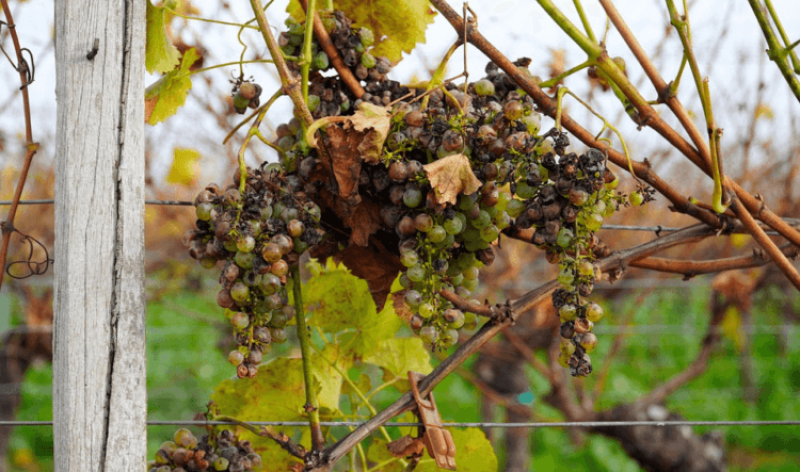
[Professor of Genetics at the University of California, Riverside Linda Walling’s] team is confident that a field release of their transgenic [crop pests] sharpshooters could be feasible within three or four years, once a series of stringent tests have taken place under controlled conditionsโ€”by which time they believe that regulations will be in place to allow the release.

In the context of wider public discourse around the ethical and safety risks associated with gene-editing animalsโ€”especially genetically engineering a specific set of genes to spread among a populationโ€”the team is already working closely with both growers and state and federal regulatory bodies.

This is a hot-button issue for society, and is threaded with debates along a number of axes: Concerns around the unintended consequences of changing an animal or an ecosystem; the question of โ€œplaying godโ€; and simply the sense that this could be the thin end of the wedge. As technology increasingly merges with biology, opening up ever more profound ways to engineer or co-opt the natural world, these issues are going to come increasingly into focus.


This is an excerpt. Read the full article here

{{ reviewsTotal }}{{ options.labels.singularReviewCountLabel }}
{{ reviewsTotal }}{{ options.labels.pluralReviewCountLabel }}
{{ options.labels.newReviewButton }}
{{ userData.canReview.message }}

Related Articles

Infographic: Global regulatory and health research agencies on whether glyphosate causes cancer

Infographic: Global regulatory and health research agencies on whether glyphosate causes cancer

Does glyphosateโ€”the world's most heavily-used herbicideโ€”pose serious harm to humans? Is it carcinogenic? Those issues are of both legal and ...

Most Popular

Screenshot-2026-05-01-at-1.29.41-PM
Viewpoint: What happens when whole grains meet modern food manufacturing? Labels donโ€™t tell the whole story.
S
As vaccine rejectionism spreads, measles may be taking a more dangerous turn
Screenshot 2026-05-06 at 2.56
Singularity crisis ahead? Can super babies save us from rogue AI geniuses?
Screenshot-2026-05-06-at-2.07.43-PM
Manufacturing a conspiracy: The timeline of howย  the White House embraced the fringe claim that scientists are being mysteriously murdered
Screenshot-2026-03-13-at-12.14.04-PM
The FDA wants to make many popular prescription drugs OTCโ€”a great idea. Hereโ€™s why itโ€™s unlikely to happen
Screenshot-2026-04-20-at-2.26.27-PM
Viewpoint โ€” Food-fear world: The latest activist scientists campaign: Cancer-causing additives
Screenshot-2026-04-30-at-2.19.37-PM
5 myths about summer dehydration that could damage your health โ€” or even kill you
ChatGPT-Image-May-6-2026-03_41_05-PM
โ€˜Protecting the integrity of scienceโ€™: Kennedyโ€™s FDA blocks release of taxpayer-funded studies finding COVID and shingles vaccines safe
Screenshot-2026-05-01-at-11.56.24-AM
โ€˜Science moves forward when people are willing to think differentlyโ€™: Memories of DNA maverick Craig Venter
79d03212-2508-45d0-b427-8e9743ff6432
Viewpoint: The Casey Means hustleโ€”Wellness woo opportunism dressed up as medical wisdom
Screenshot 2026-05-06 at 12.49
Immortal dragons: The quest to โ€˜make death optionalโ€™
glp menu logo outlined

Get news on human & agricultural genetics and biotechnology delivered to your inbox.