Small farms in South Africa are vulnerable to pests and diseases. Here’s how investing in the ‘bio-economy’ can give farmers early warning signs

tech-shortage-in-windsors-farms-innovating-agriculture-v0-7xuuqoljljad1

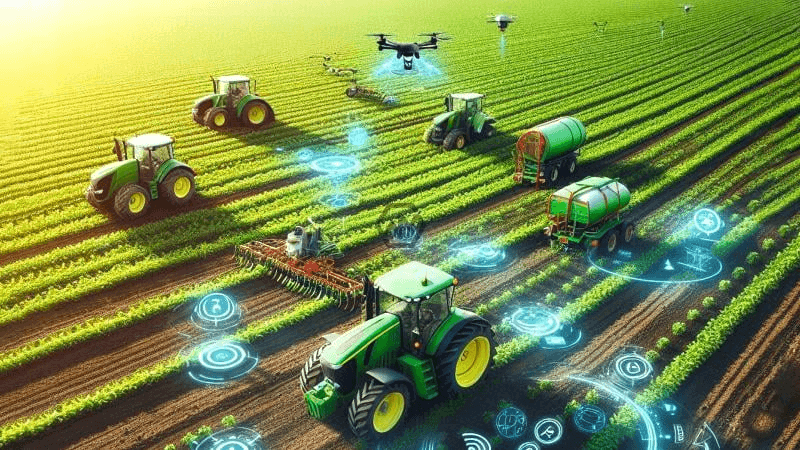
Smallholder and emerging farmers in South Africa are particularly vulnerable to plant pests and diseases, leading to significant yield losses. However, the bio-economy strategy implemented by the Technology Innovation Agency (TIA) is aimed at addressing this issue.

Follow the latest news and policy debates on sustainable agriculture, biomedicine, and other ‘disruptive’ innovations. Subscribe to our newsletter.

TIA funds and supports technology innovations that can be commercialised to improve the competitiveness of the South African economy.

The bio-economy strategy’s objective for agriculture is to strengthen agricultural biosciences innovation to ensure food security, enhance nutrition and improve health, as well as enable job creation through the expansion and intensification of sustainable agricultural production and processing.

The biosecurity platform stationed at the University of Pretoria’s Innovation Africa @UP is designed to assist stakeholders with surveillance and early warning systems for pests and diseases in crops and livestock.

Farmers are vulnerable to plant pests and diseases, which result in significant yield losses. This impact is often more detrimental to small-scale farmers.

Currently, limited specialist support exists to help reduce yield losses caused by pests and pathogens. Through this project, an information hub has been developed to support farmer decision-making using biosecurity data and to provide early warning services that alert farmers of possible pest invasions.


This is an excerpt. Read the original post 

{{ reviewsTotal }}{{ options.labels.singularReviewCountLabel }}
{{ reviewsTotal }}{{ options.labels.pluralReviewCountLabel }}
{{ options.labels.newReviewButton }}
{{ userData.canReview.message }}

Related Articles

Infographic: Global regulatory and health research agencies on whether glyphosate causes cancer

Infographic: Global regulatory and health research agencies on whether glyphosate causes cancer

Does glyphosate—the world's most heavily-used herbicide—pose serious harm to humans? Is it carcinogenic? Those issues are of both legal and ...

Most Popular

Screenshot-2026-04-13-at-3.54.04-PM
AI disinformation stress test: Challenges and response strategies
ChatGPT-Image-Feb-16-2026-01_04_32-PM
Raw milk myth wake-up call
ChatGPT-Image-Apr-23-2026-09_20_20-PM
Kennedy’s CDC blocks publication of study that shows vaccines reduce hospitalizations by 50%, then misrepresents why
ChatGPT-Image-Apr-20-2026-11_17_18-AM-2
10,000 scientists gone: Trump’s cuts create an unprecedented brain drain
Screenshot-2026-04-21-at-12.05.38-PM
MAHA’s special protein-focused formula for skin care: Beef tallow and salmon sperm. How could they be wrong?
Screenshot-2026-04-22-at-1.14.34-PM
Latest fevered, right-wing conspiracy: Fox, New York Post, and kooky GOP legislators push ‘Dead Scientists’ scare
images
The never-ending GMO debate: Pros and cons
Screenshot-2026-04-12-135256
Bixonimania: The fake disease scam that AI swallowed whole

Sorry. No data so far.

glp menu logo outlined

Get news on human & agricultural genetics and biotechnology delivered to your inbox.