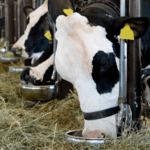
Nascent cell-based meat industry is a disruptive technology. Is that a threat or an opportunity for UK farmers?

Credit: European Business Review

A new report from the Royal Agricultural University (RAU) has looked at the potential impacts of cultivated meat on farmers. Farmers were, the report revealed, concerned about its impact on society as a whole. Nevertheless, many were open to compromise and saw opportunities within the sector.

According to the report, the cultivated meat industry’s often aggressive stance on traditional meat, sometimes overtly stating an aim to replace it, had fostered distrust among farmers, who often feel their livelihoods are at stake.

They also expressed concern that cultivated meat would concentrate all power in the industry into the hands of large corporations, leaving them with ‘less decision-making and negotiation power.’ This ‘seems likely,’ MacMillan told us, but stressed the potential impact of raising such concerns early in the industry’s development.

Follow the latest news and policy debates on sustainable agriculture, biomedicine, and other ‘disruptive’ innovations. Subscribe to our newsletter.

Despite these many concerns, however, UK farmers also saw many opportunities in cultivated meat, in how they could adapt their livelihoods to suit this brave new world. ‘Farmers are used to the unpredictable,’ the report pointed out.

One of the chief opportunities for farmers suggested by the report is to sell key ingredients to cultivated meat companies. Key components of the growth media, such as glucose and amino acids, can be derived from agricultural and animal by-products. Ingredients such as pectin and cellulose can be used in the scaffolding of structured cultivated meat. Also, farmers could source animal cells from their livestock for cultivated meat.


This is an excerpt. Read the original post here

{{ reviewsTotal }}{{ options.labels.singularReviewCountLabel }}
{{ reviewsTotal }}{{ options.labels.pluralReviewCountLabel }}
{{ options.labels.newReviewButton }}
{{ userData.canReview.message }}

Related Articles

Infographic: Global regulatory and health research agencies on whether glyphosate causes cancer

Infographic: Global regulatory and health research agencies on whether glyphosate causes cancer

Does glyphosate—the world's most heavily-used herbicide—pose serious harm to humans? Is it carcinogenic? Those issues are of both legal and ...

Most Popular

Screenshot-2026-04-22-at-12.21.32-PM
Viewpoint: Why the retracted Monsanto glyphosate study doesn’t change the science—the world’s most popular herbicide is safe 
Picture1
The FDA couldn’t find a vaccine safety crisis, so it buried its own research
ChatGPT-Image-May-1-2026-11_42_59-AM-2
Viewpoint: NAD is the wellness grifters latest evidence-lite longevity fad. At least the mice are impressed.
global warming
‘Implausible’: Top climate scientists reject worst-case scenario—soaring temperatures and fast-rising sea levels
Screenshot-2026-05-21-at-12.15.17-PM
UK gene-editing milestone: Livestock barley that increases ruminant value and reduces methane emissions is first-approved CRISPR crop
ChatGPT-Image-Apr-16-2026-02_56_53-PM
Financial incentives, over diagnosis, and weak oversight: Autism claims are driving up Medicare costs
vax-misinformation-main
Facts & Fallacies Podcast: Limit free speech to blunt social media misinfo?
Screenshot-2026-05-21-at-3.15.53-PM
Chiropractors may no longer be modern-day snake oil salesmen, but the benefits of their therapy are limited–at best
ChatGPT-Image-May-12-2026-11_27_01-AM-2
AI likely to improve health care, research shows—but not for blacks and ethnic minorities
Screenshot-2026-05-20-at-5.11.17-PM
Viewpoint: No, sugar doesn’t ‘feed’ cancer — common cancer myths, debunked

Sorry. No data so far.

glp menu logo outlined

Get news on human & agricultural genetics and biotechnology delivered to your inbox.