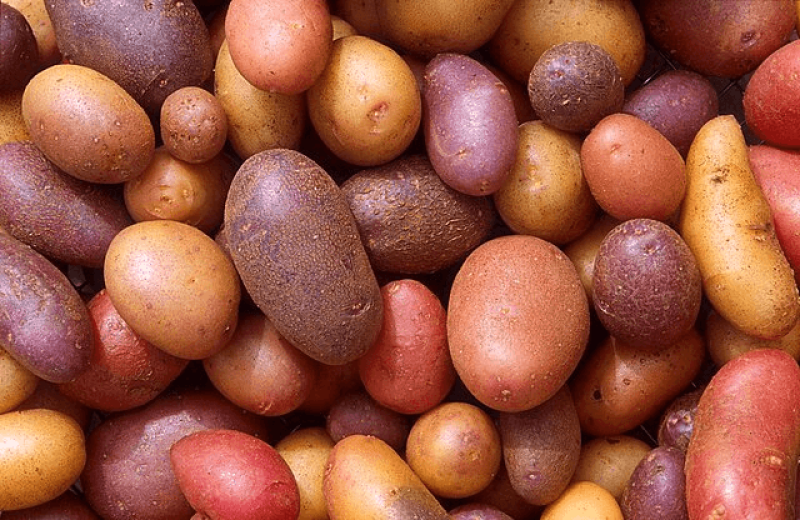

ReaGenics, an Israeli biotech startup leveraging cellular tissue culturing to grow plant molecules in bioreactors, has created high-protein potatoes that have significant advantages over soy or pea.
According to AgFunderNews’s reporting, while potatoes typically contain just 2% of native protein and aren’t what comes to mind when you think of a protein crop, ReaGenics has used cellular agriculture to develop spuds with 31% protein content. This could potentially rise to 40% and open up new markets for the company.
“Not all potato varieties can be made into tissue culture,” co-founder and chairman Michael Kagan told AgFunderNews. “But we managed to do it with a select few, and when we optimised conditions for the cells to grow, we discovered that the concentration of the proteins in the cells is far higher.”
ReaGenics is among several startups revolutionising the potato protein market, which is set to grow annually by 7%. Avebe, Tereos, Roquette and Branston are all working in this space. Fellow Israeli company PoLoPo, meanwhile, is using molecular farming to increase the native protein content in potatoes (much like ReaGenics), as well as produce the main protein found in chicken eggs. South Korea’s E Green Global is similarly producing egg proteins in potatoes via plant cell culture.



As AgFunderNews reports, ReaGenics is currently not building “massive production facilities” for its potato protein in-house, having tested its continuous production process in its own bioreactor platforms, with a capacity between 4,000 and 10,000 litres.