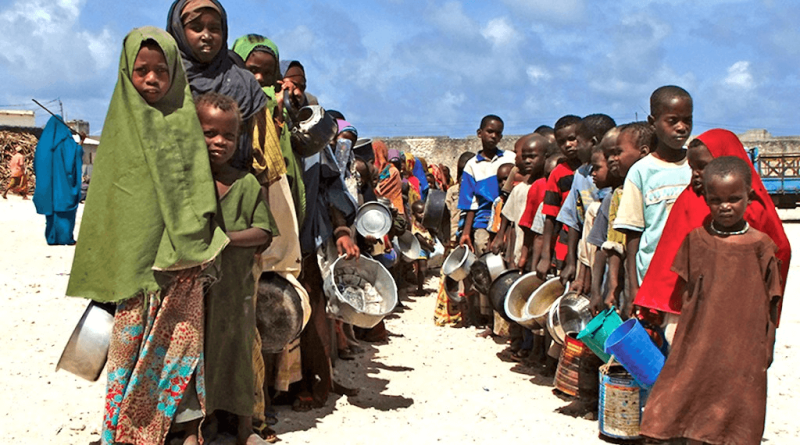
[O]ver 148.7 million Nigerians may face acute food shortage beginning from now till the next 10 years, if nothing is done about it, the reason for which approval was given for about 23 new maize varieties to be introduced for commercial planting, including four genetically-modified Tela maize varieties. This makes Nigeria the second African country to approve commercialisation of genetically modified cereals.
[Federal University Food Microbiology and Biotechnology Professor] Sylvia Uzochukwu clarified that, scientifically, GMOs are not a threat or a form of ‘biotechnology terrorism’ as being made to be believed.

Using the example of Tela maize, she said from all scientific indications, it has gone through various trial tests before being released into the markets; therefore safe for human consumption and environmentally friendly. She therefore wants everyone to be rested as the whole world is using biotechnology for food and livestock production globally as a result of the effects of climate change.
…
The main concerns around GMO products generally has to do with allergies, cancer and environmental issues which may potentially affect the consumers; however, investigation has shown that despite mounting concerns, there are fewer risks even as more long-term research is advocated.