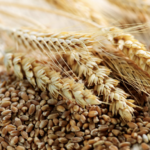
In the UK, the Crop Science Centre in Cambridge is testing out a genetically modified variation of barley that is is hoped will reduce the need for damaging fertilisers. This example is clearly contributing to greater levels of ‘economic and physical access to food’. Barley is one of the most widely used Cereal crops and any success, it is thought, will be transferrable to other accessible crops like wheat and corn.
…
However, in its current form, the UK stance wouldn’t allow for the introduction of these genetically modified examples into its food chains. This means there are lost opportunities for the UK to play a more active role in combating food insecurity.
Moreover, UK regulations make it so that only the big players can afford to play. The costs and logistics associated with extensive scientific and safety trials make it more difficult for smaller companies to gain regulatory approval. This restricts the deployment of the UK’s deep industry knowledge, and this can only limit its contribution to the growing use of genetic technologies in resisting food insecurity.

The introduction of the Genetic Technology (Precision Breeding) Act last year signified a relaxing of the rules, in allowing for the use of gene editing in UK crops. It means this genetic technology can now be used to prolong the UK strawberry season, produce climate-resistant lettuce and enrich animal feed, amongst other things.