In the decade or so since scientists reported the first ancient human genome sequence, they have generated genome data for more than 10,000 ancient individuals. Most of these are people who lived so long ago that it’s not possible to detect meaningful links with modern individuals. But, because ancient-DNA researchers have forged closer ties with archaeologists and historians, the number of ancient human genomes from the recent past — just a few hundred years ago — has grown.
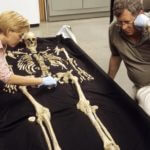
Now, scientists are finding connections to modern relatives of African American ironworkers in eighteenth-century Maryland and to notable historical figures, such as Ludwig van Beethoven and the Native American leader known as Sitting Bull. Unravelling these relationships, researchers say, could provide information about historical individuals’ identities and their descendants’ subsequent migrations.
Such investigations could also help to fill in the genealogical histories of people for whom such information has been obscured or erased, such as the descendants of enslaved people. It is “the next thing in the field of ancient DNA”, says Éadaoin Harney, a population geneticist at consumer-genetics firm 23andMe in Menlo Park, California. “It’s a new way to study human history.”