Can Ozempic and other GLP-1 weight loss drugs make you suicidal

53089239185_1c5451252a_b

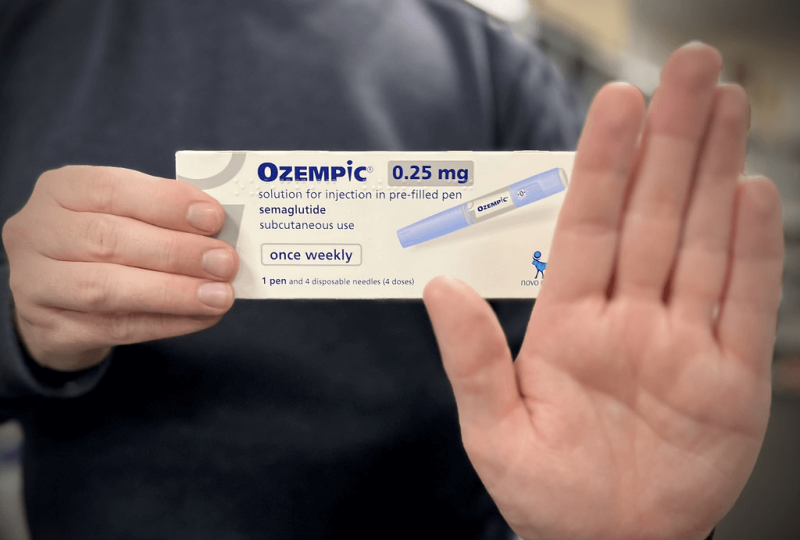
Is it even biologically plausible that Ozempic could lead to suicide? I think it is, actually. First off, we know that the GLP-1 receptor agonists act on receptors in the brain; any drug that can get across the blood-brain barrier, in theory, can have adverse (or positive) psychiatric effects. Also, as I discussed recently, these drugs can have pretty dramatic effects beyond their ability to curb appetite for food: decreasing compulsive gambling and shopping, reducing alcohol intake, and helping to quit smoking. These are all good things, of course, but you wonder whether they could be having some effect on psychological reward systems, and maybe disrupting that, in some people, could lead to despair.

Mis- and disinformation are distorting science and public policy. Subscribe to our Daily and Weekly Digests for incisive coverage of ‘disruptive’ innovations in AI, agricultural biotechnology, food, chemicals, nuclear energy, vaccines, and other disruptive innovations.

To figure it out, the researchers identified everyone in Sweden and Denmark who started taking semaglutide or liraglutide for diabetes from 2013 to 2021.

.…

From a psychiatric standpoint, prior to starting the drugs, those who were prescribed Ozempic were more likely to be using or to have previously used antidepressants and to have had an outpatient visit for a psychiatric diagnosis. 

I should point out that this is not the only study of this type. This one, in Nature Medicine, looked at more than a million patients and found that the use of Ozempic and similar drugs might substantially decrease the rate of death from suicide.

This is an excerpt. Read the original post here

Related Articles

Infographic: Global regulatory and health research agencies on whether glyphosate causes cancer

Infographic: Global regulatory and health research agencies on whether glyphosate causes cancer

Does glyphosate—the world's most heavily-used herbicide—pose serious harm to humans? Is it carcinogenic? Those issues are of both legal and ...

Most Popular

Screenshot-2026-09-20-at-9.03.54-AM
From Malaysia to the world: A pioneering science communicator reimagines global science communication for a digital age
Screenshot-2026-09-16-at-2.26.42-PM
Viewpoint: How to ecologically damage America’s forests: Ban glyphosate
ChatGPT-Image-Sep-17-2026-12_28_43-PM
Vitamin D, omega-3 fish oil and glucosamine supplements could cause brain damage 
ChatGPT-Image-Mar-10-2026-01_39_01-PM
Viewpoint—“Miracle molecule” debunked: Why acemannan supplements don’t work
Screenshot-2026-09-20-at-4.31.28-PM
White House drafting executive order to control what OMB Director Vought claims are “woke” NIH science grants
ChatGPT-Image-Sep-20-2026-04_22_32-PM
What’s Trump’s ‘AI Force’? Administration rushes to announce ill-defined watchdog agency and czar amid criticism of its resistance to curb AI acceleration
Screenshot-2026-08-12-at-11.31.46-AM
AI is helping develop new vaccines
Screenshot-2026-09-14-at-4.31.14-PM
Viewpoint: What’s the likely impact when the EPA loosens rules limiting methane pollution from oil and gas wells?
Screenshot-2026-08-19-at-6.19.42-PM
Facts & Fallacies podcast: 'Regenerative farming'? RFK Jr.’s federal push romanticizes the past and risks food security
ChatGPT-Image-Sep-18-2026-10_49_24-AM
‘Symptom borrowing’: Young people are copying health problems they see on TikTok
ChatGPT-Image-Aug-28-2026-03_33_46-PM
Viewpoint: Bad science—Five bogus Trump administration claims about vaccines and autism
ChatGPT-Image-Sep-9-2026-02_48_24-PM
Viewpoint: Trump-RFK Jr. report on “Gender Ideology & Left-wing Ideology’ targets LGBTQ community—and science
glp menu logo outlined

Get news on human & agricultural genetics and biotechnology delivered to your inbox.